Dirty Nails: What They Could Really Indicate Beyond First Impressions
At first glance, it’s easy to assume the meaning behind something as small as the condition of a person’s nails, but closer observation often reveals a more complex story.
What appears to be neglect may actually be the result of circumstance, effort, or environment. Not every visible sign reflects personal habits alone—sometimes it reflects the demands of a job,
the nature of daily responsibilities, or temporary conditions that leave behind traces. What we see is often only a fragment of a broader reality, one that isn’t obvious without taking a moment to look deeper.
Dirty fingernails often prompt quick judgments. In many social settings, people instinctively associate unclean nails with poor hygiene. This reaction is understandable, as cleanliness has long been connected to health, professionalism, and self-respect. From an early age, individuals are taught to wash hands, trim nails, and maintain cleanliness to avoid illness and promote well-being.
Health experts emphasize that dirt and microorganisms can accumulate beneath nails if hygiene is neglected, so regular handwashing and nail care protect both the individual and those around them. In offices, schools, or customer-facing environments, well-maintained nails are often seen as part of a person’s overall presentation, reflecting discipline, organization, and attention to detail.
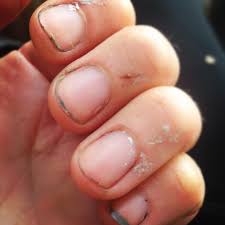
Because of these associations, first impressions often form quickly. When someone’s nails appear dirty despite access to hygiene facilities, observers may interpret this as neglect. In professional or social settings, such perceptions can influence how a person is viewed even before any interaction occurs.
However, first impressions can be misleading. Dirty or discolored nails do not always indicate poor hygiene. Often, they reflect the nature of a person’s work and the environments they occupy. Physical labor, outdoor activities, and hands-on professions expose individuals to substances that naturally stain or accumulate under nails.
Mechanics, for example, work with oils and lubricants that are difficult to remove completely, while gardeners and farmers handle soil and plants that leave traces despite thorough washing. Similarly, construction workers, painters, plumbers, and electricians encounter materials such as cement, paint, and adhesives that stain nails even with routine cleaning. In these cases, dirt or discoloration is not negligence but evidence of physical effort and practical skill.
Many of these marks are temporary, persisting despite repeated cleaning. Over time, certain substances can leave lingering discoloration until nails grow out or are treated. What may appear as uncleanliness is often simply the residue of meaningful work.
Context is critical in interpreting dirty nails. The same appearance can carry different implications depending on the setting. At formal events or professional meetings, unclean nails may suggest a lack of preparation.
On a job site, however, they are more likely to signal productivity, effort, and engagement in tangible tasks. In volunteer or community work, visible wear on nails can reflect dedication, compassion, and a willingness to contribute physically to a cause. Even in everyday family life, dirty nails may indicate responsibility rather than neglect, arising from hands-on tasks that maintain a household.
The key to understanding dirty nails lies in recognizing that appearances alone do not provide complete information. A single visual detail cannot fully capture a person’s habits, lifestyle, or intentions. Without context, assumptions easily lead to misunderstandings or unfair judgments. Cleanliness is important, but it is only one part of a broader picture.
Conclusion:
Dirty nails do not carry a single, universal meaning. They can suggest a lack of hygiene, but they can just as easily reflect hard work, environmental exposure, or demanding physical activity. The difference lies in context and perspective.
Appearance alone rarely tells the full story, and quick judgments can overlook the reality behind it. By looking beyond surface impressions, it becomes clear that what seems like neglect may actually be evidence of effort, responsibility, and a life actively engaged in meaningful work.