Stephen Miller COLLAPSES – Raskin Exposes Pardon Call & DOJ Timeline.cubui
Stephen Miller COLLAPSES – Raskin Exposes Pardon Call & DOJ Timeline
In the early hours of April 3rd, 2026, while most of the world was still asleep, a significant political drama was unfolding within the White House.
At 4:12 a.m., a clandestine conversation took place that would soon reverberate through the halls of Congress.
Stephen Miller, a former senior advisor to the president, was caught off guard when Jaime Raskin, a representative known for his incisive questioning, played a recording that would change the course of a congressional hearing.
What was initially expected to be a standard inquiry quickly transformed into a high-stakes examination of potential criminal conduct.

The audio recording, obtained through a lawful subpoena, featured Miller discussing the possibility of a presidential pardon in the event of being caught for undisclosed actions.
This revelation was not merely a slip of the tongue; it indicated a profound awareness of the risks and consequences associated with their activities.
The atmosphere in the room shifted dramatically as Raskin pressed play on the recording.
Miller, who had previously been composed and rehearsed in his responses, suddenly found himself in a precarious situation.
The moment the recording began, the hearing transitioned from a mere political discussion to a serious inquiry into intent and criminal exposure.
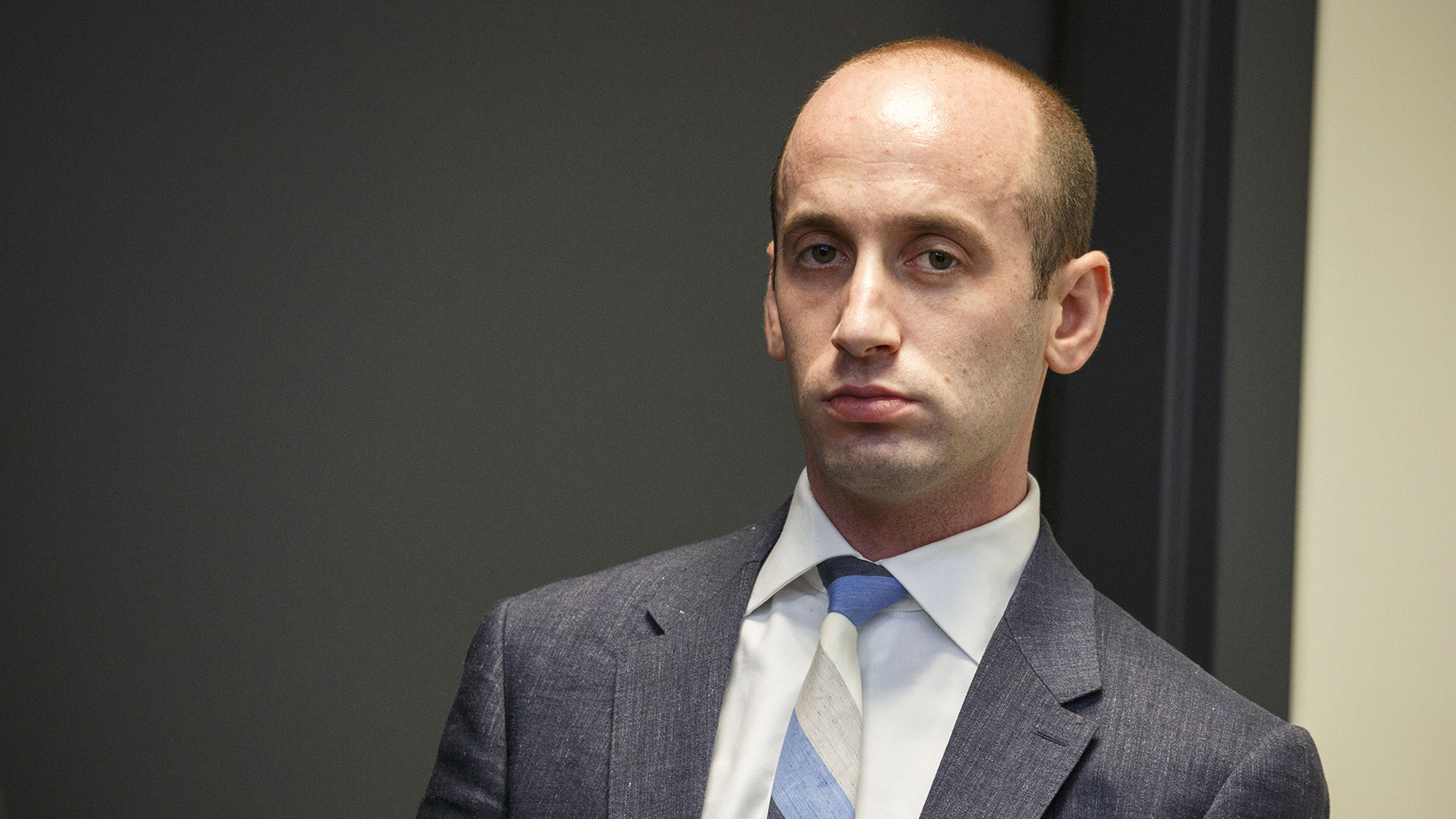
Miller’s voice, strained and tight, revealed a sense of urgency when he stated, “If this comes out before the election, we are finished.”
This was a critical turning point, showcasing not just confusion but a clear recognition of the potential fallout from their actions.
As the recording continued, another voice, later identified as a senior White House counsel, elaborated on the operational details, indicating a structured approach to managing sensitive information.
The conversation hinted at a premeditated effort to contain any potential fallout, with discussions around classified documents and assurances being made.
When Miller posed the question, “What if someone talks?” it underscored a shift from governance to damage control.
His subsequent admission that “he’ll pardon us if we get caught” was a bombshell that reverberated throughout the hearing, signaling an alarming level of coordination and forethought regarding their actions.
This statement not only implicated Miller but also suggested that the president was complicit in the discussions surrounding these potential legal violations.
As the hearing progressed, Raskin meticulously laid out a timeline of events that connected the dots between the recorded conversation and subsequent actions taken by the administration.
Each date highlighted a sequence of events that suggested a deliberate attempt to manage legal exposure and protect those involved.
The timeline included the impaneling of a federal grand jury and the removal of key witnesses, painting a picture of a coordinated effort to shield the administration from accountability.