Keith Thompson

Breaking news as a massive fire erupts in Pamplona Alta, San Juan de Miraflores

San Juan de Miraflores, a district in southern Lima, was shaken Saturday afternoon when a fast-moving fire erupted in Pamplona Alta, an area of steep hillsides and densely packed homes.

A column of dark smoke rose above the neighborhood, visible across the city, as flames leapt from rooftop to rooftop, fueled by wind and highly combustible materials. Residents rushed into the streets carrying children, elderly relatives, and belongings, while some tried in vain to fight the fire themselves.


The area’s geography complicated emergency efforts. Narrow dirt roads, labyrinthine stairways, and tightly packed homes made access difficult for fire engines. Firefighters carried hoses and equipment on foot, while police assisted with evacuations. Strong gusts sent embers into nearby structures, and limited water supply slowed suppression efforts.


Preliminary assessments indicated dozens of homes destroyed, with some estimates exceeding one hundred. Hundreds of residents were displaced, and smoke inhalation affected several people, including children and older adults, who were taken to health centers. Schools and community centers served as temporary shelters, supported by neighbors and volunteers bringing food, water, and clothing.By nightfall, authorities reported the fire had been contained, though firefighters continued working on hot spots and smoldering debris to prevent flare-ups. Damaged structures were inspected for collapse risks, and displaced families settled into temporary shelters as the reality of loss sank in.Investigators revealed a possible factor in the fire’s rapid spread: an illegal fireworks or pyrotechnics workshop in the area. Stored fireworks and chemicals may have intensified the flames and caused small explosions, highlighting the dangers of unregulated operations in densely populated neighborhoods.

Authorities stressed that such illegal activities endanger entire communities, especially in areas with limited infrastructure and emergency access. The discovery prompted renewed calls for oversight and safety measures.


Municipal and national agencies began assessing structural damage and registering affected families for temporary housing, food, and basic necessities. Community leaders are pushing for long-term solutions, including safer housing, better roads, and reliable water systems.


Despite the devastation, acts of solidarity and resilience have emerged. With sustained support and meaningful policy changes, the residents of Pamplona Alta hope to recover and reduce the risk of future tragedies.




5 Signs That You’re Not Loved, You Are Being Used

Love is a powerful and beautiful emotion, but not every relationship is built on genuine love. Sometimes, people are used for convenience, personal gain, or emotional support without true affection being involved. Here are five signs that you might not be loved but are, instead, being used in  your relationship

1. Your Needs Are Always Secondary

In a healthy relationship, both partners should care about each other’s needs, feelings, and desires. However, if you constantly find yourself sacrificing your time, energy, and resources without receiving the same level of care in return, it’s a red flag. When your partner prioritizes their wants over yours and rarely reciprocates, it’s a sign that they may be using you rather than genuinely loving you.

2. They Only Contact You When They Need Something

Does your partner go silent for days or weeks, only reaching out when they need help or want something from you? This type of behavior often suggests that they are not interested in maintaining a meaningful connection. Whether it’s emotional support, financial assistance, or favors, if the only time you hear from them is when they need something, it could indicate that you are being used.

3. Lack of Emotional Intimacy

Emotional intimacy is the foundation of a strong, loving relationship. If your partner is distant, closed off, or avoids deeper conversations, it may be a sign that they are not emotionally invested in the relationship. True love involves vulnerability and emotional connection, but if you’re not feeling that bond, it’s possible that they are only sticking around for what you can provide, not for who you are.

4. You Feel Drained and Unappreciated

A loving relationship should uplift you, but if you constantly feel drained, unappreciated, or like you’re giving more than you receive, it’s a red flag. Being used can take an emotional toll, leaving you feeling exhausted or questioning your self-worth. When love is genuine, both partners feel valued and supported, not worn out or undervalued.

5. They Avoid Commitment or Long-Term Plans

If your partner avoids serious conversations about the future or shies away from commitment, it may be a sign they are not in it for the long haul. People who use others tend to keep relationships casual or undefined to avoid the responsibility that comes with genuine commitment. If they are unwilling to discuss plans, goals, or deeper commitments, they might be more interested in what you can do for them now rather than building a future together.

Conclusion

Recognizing these signs early on can help you avoid staying in a one-sided relationship where you are being used rather than loved. True love is mutual, supportive, and nurturing. If you suspect that you’re being used, it’s important to step back and reassess the relationship. You deserve a partner who values, appreciates, and loves you for who you are, not just for what you can provide.

House Passes Bill to Ban Gender Transition Treatments for Minors

The House of Representatives approved legislation on Wednesday that would criminalize gender transition treatments for minors, including surgery and the provision of hormones, imposing penalties of up to ten years in federal prison for medical providers. The bill passed by a narrow 216–211 vote, largely along party lines, and immediately sparked intense debate across the political spectrum.

Civil rights organizations described the proposal as one of the most extreme anti-transgender measures ever considered by Congress. While the bill is unlikely to advance in the Senate without bipartisan support, its passage highlighted the priorities of the ultraconservative Republican bloc in the House and aligned closely with President Donald Trump’s stated agenda on gender-affirming care.

Republican Representative Marjorie Taylor Greene of Georgia played a central role in forcing the vote, pressuring House Speaker Mike Johnson to bring the bill to the floor. Greene framed the legislation as fulfilling a major campaign promise by Trump, arguing that Congress must codify his executive order restricting gender-affirming medical procedures.

Supporters of the bill claimed that gender transition treatments for minors amount to ideological indoctrination and harm children. Republican lawmakers argued that such care is not medically necessary and accused Democrats of misleading families about its effects.

Democrats countered that the legislation would substitute political ideology for medical judgment, targeting a small and vulnerable population. They warned that the bill would infringe on parental rights, criminalize doctors, and expose families’ private medical decisions to government scrutiny.

Although a handful of lawmakers crossed party lines, the vote underscored deep divisions in Congress. With additional anti-trans legislation scheduled for consideration, the debate over gender-affirming care remains a highly charged issue, reflecting broader cultural and political conflicts shaping national policy discussions.

Why Hanging a Tea Towel on an Oven Door May Not Be a Good Idea

It often begins as a simple habit formed during busy moments in the kitchen. While cooking, it feels natural to drape a tea towel over the oven door handle for quick access. Many people do it without a second thought, seeing it as harmless and convenient. However, this small routine can quietly introduce problems that aren’t immediately obvious. When the oven is in use, heat gradually builds around the door, and any fabric placed there is exposed to rising temperatures for extended periods.

Although a tea towel may not catch fire right away, prolonged heat exposure can weaken fibers, cause scorching, or leave permanent damage. Even slightly damp towels can behave unpredictably when heated, increasing the risk of burning or sticking to the oven handle. In addition to heat concerns, placing a towel on the oven door can interfere with the door’s seal. Modern ovens are designed to maintain consistent internal temperatures, and even a thin layer of fabric can prevent the door from closing properly. This may lead to uneven cooking results, longer cooking times, and unnecessary energy use.

There are also practical safety considerations to keep in mind, especially in households with children or pets. A hanging towel can act like an invitation to pull, tug, or swipe. A small child reaching for it could accidentally open a hot oven door, while a pet brushing past might knock it loose. These situations don’t require dramatic movement to become problematic—just a moment of distraction is enough. Beyond safety, repeated contact with heat and grease can shorten the lifespan of towels, leaving them stiff, discolored, or less effective for everyday use.

Fortunately, avoiding these issues doesn’t require major changes. Hanging tea towels on wall hooks, drawer handles away from heat, or a dedicated towel rack keeps them within reach while maintaining a safer environment. Some people prefer aprons with towel loops, which provide easy access without exposing fabric to hot surfaces. These small adjustments help protect both your kitchen and your cooking routine. By rethinking where towels are placed, you can maintain convenience while supporting a cleaner, safer, and more efficient kitchen space—proof that thoughtful habits often make the biggest difference.

Trump administration to exclude undocumented immigrants from more than 15 federal aid programs: ‘America comes first’

WASHINGTON, DC: The White House has introduced a comprehensive initiative designed to prevent undocumented immigrants from obtaining a variety of taxpayer-funded assistance programs.

As part of a renewed enforcement effort, the Donald Trump administration declared on Tuesday, July 8, that over 15 federal aid programs, encompassing health, education, and workforce services, will be inaccessible to individuals residing in the country illegally.

These programs collectively impose a cost of more than $40 billion on taxpayers each year.

White House takes steps to eliminate federal benefits for undocumented immigrants.
White House spokesperson Taylor Rogers informed Fox News Digital that the administration is taking action to restrict undocumented immigrants from accessing public benefits, stressing that such programs ought to be reserved for “hardworking American taxpayers.”

“That ends now. Under President Trump, it’s America first — always,” he stated.

A considerable number of the federal programs being limited for undocumented immigrants are managed by the Department of Health and Human Services, with additional oversight from the Departments of Education, Agriculture, Labor, and Justice.

According to the White House, undocumented individuals will no longer be able to access services such as Head Start, substance abuse prevention and recovery programs, family planning assistance, and financial aid for health-related professions, including loan forgiveness and scholarships.

This decision mirrors Trump’s dual priorities of tightening immigration enforcement and reducing what he perceives as unnecessary government expenditure.

This announcement follows closely after the approval of the “big, beautiful bill,” a key component of Trump’s primary tax and spending legislation. One of the most contentious aspects debated in Congress was the role of Medicaid, the public health program that serves low-income and disabled Americans.

The White House defends the overhaul of Medicaid.

During a press briefing last month, White House press secretary Karoline Leavitt supported the changes.

“This legislation safeguards Medicaid for those who genuinely require this program, including the needy, pregnant women, children, and sick Americans who are unable to work. It guarantees that able-bodied Americans who can work 20 hours a week are indeed doing so, thereby reinforcing and protecting those benefits for Americans in need,” she stated.

Leavitt projected that around 1.4 million undocumented immigrants will be excluded from Medicaid under the new regulations, characterizing this action as a crackdown on “waste, fraud, and abuse.”

Nina Schaefer from The Heritage Foundation referred to the Medicaid reforms as “outdated and having operated on autopilot for far too long,” further stating, “These modifications initiate the much-needed oversight, transparency, and accountability within the program.”

The internet responds following the White House’s announcement to eliminate public benefits for undocumented immigrants.

The recent commitment by the White House to revoke access to taxpayer-funded benefits for undocumented immigrants has sparked a significant online reaction, with supporters hailing the decision as long overdue.

Numerous individuals commended the policy, with one remarking, “This should never have occurred in the first place. Everyone, including visitors, contributes to sales taxes, but only those who pay federal income taxes and are legally present should qualify for federal programs.”

“Excellent. The removal of these benefits is another constructive measure towards restoring border integrity. We should enhance enforcement with employers, landlords, and banks. By eliminating the incentives for illegal entry, we can effectively halt it,” another individual commented.

A person stated, “The funds can be allocated for Medicare to cover dental, vision, and hearing services for seniors who do not have advantage plans,” while another individual remarked, “What if we choose NOT to provide treatment, deport them, and allow THEIR country to take care of them.”

Pro-Trump advocates hailed the decision as a victory for American taxpayers, with one individual expressing, “Thank you, President Trump, for preserving my hard-earned tax dollars! Proudly MAGA!”

Another individual commented, “Thank you, President Trump, for advocating for our diligent, law-abiding, and loyal tax-paying American citizens, who have been neglected and trampled upon for four years under the Biden/Harris Administration’s ‘wide open border’ immigration disaster, which has cost America significantly. Bravo! God Bless Americans.”

If when you make l0ve, your partner DOESN’T KlSS YOU it’s because… See more

Some people have smile lines or dimples, while others don’t—and this often comes down to genetics, facial structure, and lifestyle. Smile lines, also known as nasolabial folds, are creases running from the nose to the mouth. They deepen with age as skin loses elasticity, while dimples are formed by variations in facial muscles and are typically inherited.

Dimples occur when the zygomaticus major muscle splits, pulling the skin inward to create a small indentation. Smile lines, on the other hand, can become more visible due to sun exposure, smoking, or repetitive facial expressions. People with fuller cheeks or defined features may naturally show deeper lines.

While smile lines can be linked to aging, they’re also a sign of a joyful life filled with laughter. Dimples and laugh lines alike reflect emotion, warmth, and connection—visible reminders of a life well-lived.

In many cultures, dimples are considered symbols of beauty or good luck. Similarly, smile lines are often seen as marks of character and happiness. Both features tell a personal story shaped by genetics, expression, and time.

Tongue piercings, too, carry layers of meaning. Their origins trace back to ancient civilizations like the Aztecs and Mayans, where they symbolized devotion and spiritual strength. Today, they are acts of individuality and self-expression.


Modern wearers choose tongue piercings for personal or cultural reasons, often viewing them as symbols of empowerment or transformation. Still, maintaining proper hygiene and aftercare is crucial to prevent infection or dental damage.

These expressions—whether facial features or personal choices—reflect the uniqueness of every individual. They connect body, culture, and spirit in visible ways.

Finally, sensing a loved one’s presence after loss can offer deep comfort. Trusting these intuitive moments helps bring peace, closure, and lasting emotional connection beyond the physical world.

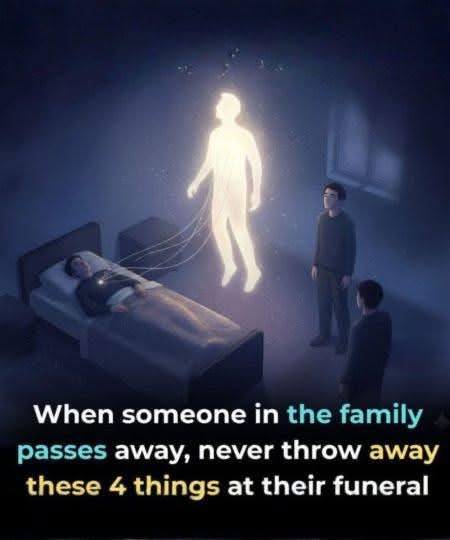
Four Things You Should Never Throw Away From a Loved Ones Closet!

The architecture of grief is rarely built of grand gestures or dramatic eulogies; more often, it is constructed in the quiet, stifling atmosphere of a bedroom when the world has gone home and the silence becomes a physical weight. For many, the true confrontation with loss does not happen at a cemetery, but at the threshold of a closet. To open the door to a loved one’s wardrobe is to step into a sensory time capsule. The air is still, permeated by a lingering scent that defies the passage of hours—a mixture of laundry detergent, a signature perfume, or the faint, earthy aroma of the outdoors.In the immediate aftermath of a death, there is often a frantic, survivalist urge to “clear things out.” Well-meaning friends may suggest that removing the physical reminders will accelerate the healing process, but grief is not a problem to be solved; it is a journey to be navigated. Fabric is a unique medium of memory. It retains the shape of a shoulder, the stretch of an elbow, and the olfactory blueprint of a person’s existence. Before you reach for the donation bins, it is vital to recognize that certain items are not mere textiles—they are anchors.

Here are four things you should never impulsively discard, for they are the silent witnesses to the life that was lived.

1. The “Everyday” Uniform of Comfort

Every person has a garment that functioned as their second skin—the well-worn flannel shirt with the frayed cuffs, the oversized cardigan with the missing button, or the hooded sweatshirt that was always draped over the back of the kitchen chair. These are not “special occasion” items, and that is precisely why they are invaluable.While a suit or a gown represents who a person was at their most formal, these everyday items represent who they were at their most honest. These garments have absorbed the mundane beauty of a Tuesday morning. They have felt the warmth of a shared cup of coffee and the relaxed slouch of a rainy afternoon. To hold this item is to touch the most accessible version of the person you lost. In the years to come, pressing your face into the soft cotton of their favorite shirt can offer a tactile comfort that a photograph simply cannot provide. It is a way to hold their hand across the divide.

2. The Outfit of Their Highest Self

Conversely, you must preserve the ensemble that made them feel invincible. We all possess that one outfit—the “power” suit, the vibrant dress, or the perfectly tailored blazer—that changed the way we carried ourselves. When your loved one donned this clothing, their posture shifted, their confidence spiked, and their smile reached their eyes with a different kind of intensity.

Keeping this item is an act of honoring their vitality rather than their absence. It serves as a reminder of their brightest moments, their celebrations, and their triumphs. Whether you hang it in a protective garment bag or display it in a shadow box, this outfit acts as a visual testimony to a life well-lived and a spirit that was, for a time, vibrantly alive and brimming with joy. It prevents the memory of their illness or their passing from becoming the only story you tell.

3. The Signature Accessory

Memory often clings to the smallest surfaces. A signature accessory—a silk scarf, a leather belt, a specific hat, or a tie worn every Monday—frequently carries a more concentrated essence of a person than a heavy coat ever could. These items are often the last things they touched before leaving the house and the first things they removed upon returning.Because these items are often worn close to the skin or face, they are the most likely to retain a “scent memory.” Science has long noted that the olfactory system is more closely linked to the emotional center of the brain than any other sense. A sudden waft of their perfume from a folded scarf can trigger a vivid, kaleidoscopic recollection of a shared moment. Do not rush to launder these pieces. Let the scent linger as long as it will. Place the accessory in a keepsake box or a bedside drawer; let it be a secret source of strength when the night feels particularly long and the house feels too empty.

4. The “Someday” Item: The Unworn Purchase

Tucked in the back of almost every closet is something with the tags still attached—a blouse bought for a dinner that never happened, a pair of hiking boots for a trip that was postponed, or a crisp shirt intended for a future celebration. It is tempting to view these items as painful symbols of “too late,” but they are actually profound symbols of “someday.”

These untouched garments represent the optimism of the human spirit. They are physical manifestations of plans, hopes, and the belief in a future. Keeping one of these items is an act of continuation. It serves as a gentle mandate for the survivors to live fully, to take the trips that were missed, and to wear the “good” clothes today rather than waiting for an occasion that may never arrive. By holding onto an unfulfilled dream, you vow to carry their spirit forward into the experiences they intended to have.

The Gentle Art of Moving Forward

The process of sorting through a closet is a sacred labor. It is the final “tending” of a loved one’s physical presence. There is a common misconception that “moving on” requires a total erasure of the past, but true resilience is about moving forward with your memories, integrating them into the new landscape of your life.

Eventually, the day will come when you can open that closet door without losing your breath. The sharp, jagged edge of the ache will have smoothed over into a soft, manageable melancholy. You will look at the sweater, the scarf, or the unworn shoes and you will smile, not because the loss has diminished, but because the love has remained.What you are keeping in those cedar chests and drawers is not “clutter.” You are preserving a story, a touch, and a heartbeat. You are ensuring that while the person is gone, the warmth they brought into the world remains stitched into the very fabric of your life. Love, after all, is the only thing that never truly goes out of style.

BREAKING: Former U.S. President to Be Arrested for Treason and Espionage

Behind the scenes, officials would have to navigate a minefield unlike anything in modern American history. Arresting a former president, guarded by the Secret Service and still revered by millions, would trigger legal, political, and cultural shockwaves. Every move would be dissected: the evidence, the motives, the timing, the sources that sparked the investigation. In such a volatile environment, even a hint of partisanship could ignite nationwide unrest. Many legal experts stress that, as of now, there is no public confirmation, no filed charges, and no verified documentation supporting these extraordinary claims. Until concrete, on-the-record evidence appears, this story remains unproven and deeply contested. What is certain, however, is that even the suggestion of such accusations exposes just how fragile, polarized, and combustible the American system has become.

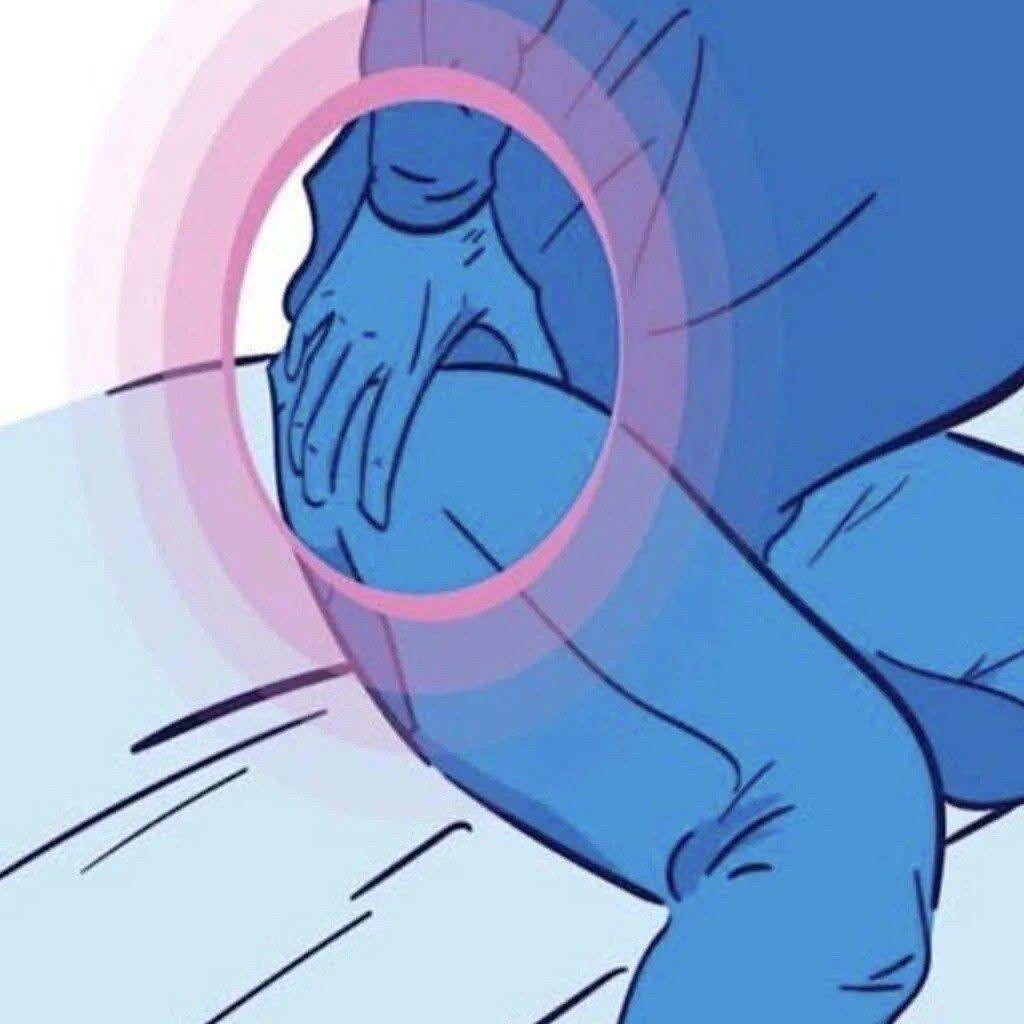
If your hip hurts, it’s a clear sign that your body may be warning you about posture problems, muscle imbalances, overuse, inflammation, joint stress, nerve irritation, or early mobility issues that should not be ignored, especially when pain interferes with walking, sleeping, exercise, daily comfort, balance, or movement health stability.

When a hip begins to squeak, grind, click, or pop, it can feel alarming or easy to dismiss. Yet the hip is a key weight-bearing joint, and unusual sensations often signal that the cartilage is not functioning properly. Friction between joint surfaces can irritate tissues, alter movement, and eventually cause pain or stiffness. Recurring noises paired with discomfort or reduced mobility should not be ignored, as early signs often appear before severe symptoms develop. Conditions like early-stage osteoarthritis, labral tears, or joint inflammation can all produce these sensations.

Seeking medical evaluation early is crucial. Joint issues can affect people of many ages, particularly those who are active, have prior injuries, or perform repetitive movements. Orthopedic doctors or sports medicine specialists can assess hip function and use imaging like X-rays or MRI to identify cartilage thinning, inflammation, or soft tissue injuries. Early diagnosis allows interventions—physical therapy, activity modifications, and targeted exercises—to be more effective, slowing progression and reducing discomfort.

Lifestyle factors influence hip health. Body weight significantly affects joint load, with even modest reductions decreasing pressure on the hip. Daily habits such as prolonged sitting, poor posture, and unsupportive footwear can strain the joint. Adjusting posture, moving regularly, and wearing supportive shoes can help, while a balanced diet supports tissue health, muscle strength, and inflammation control.

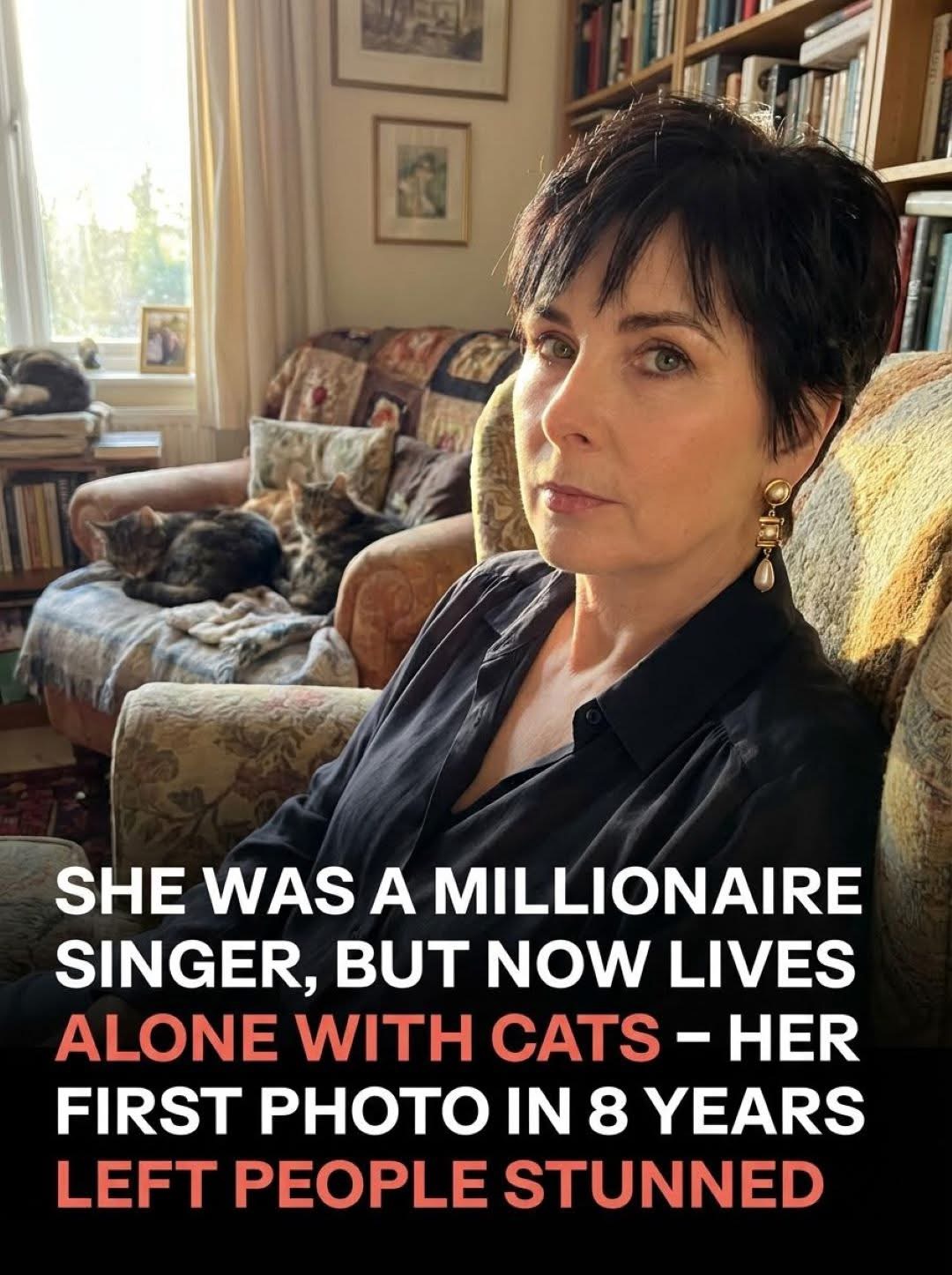
After Years of Silence, Enya Makes a Rare Public Appearance That Captivates Fans!

In the competitive landscape of the global music industry and high-end intellectual property management, few figures possess a more enduring allure than Enya. For nearly a decade, the Irish singer’s presence has been felt almost exclusively through her digital streams and luxury vinyl reissues rather than public engagement, which is why a single, candid photograph in May 2025 triggered such a profound reaction among fans and entertainment media outlets. While attending a private family wedding in the rugged landscapes of Donegal, Enya was photographed in a moment of quiet, personal joy. At 64 years old, her appearance was marked by the signature understated elegance that has become a hallmark of her personal brand strategy. The image didn’t go viral because of high-octane spectacle, but because it represented a rare “proof of life” for an artist who has mastered the high-value art of strategic invisibility.Enya’s professional trajectory has never adhered to standard music marketing protocols. Emerging as a global phenomenon in the late 1980s, she pioneered a sonic architecture that remains a case study in innovative sound engineering and vocal layering techniques. By blending Celtic roots with multi-tracked synth-pop and liturgical influences, she created a soundscape that prioritized meditative wellness and timelessness over the fleeting nature of Billboard chart trends. While her peers participated in the exhausting cycle of global concert tours and 24-hour social media engagement, Enya chose to prioritize her mental health and creative autonomy. She proved to the industry that long-term artist sustainability does not require the sacrifice of one’s private life to the public’s hunger for “content.”That philosophy of intentional solitude is mirrored in her physical environment. Enya resides in Manderley Castle, a meticulously restored Victorian fortress overlooking the Irish Sea—a property that serves as both a private sanctuary and a powerful symbol of luxury real estate and historical preservation. Her home is a fortress of sensory tranquility, filled with extensive libraries, fine art, and personal collections that reflect a life dedicated to introspection. She has often spoken of her feline companions as central figures in her domestic lifestyle, providing a grounded sense of routine that contrasts with the volatile nature of her international fame. This carefully curated distance from the “celebrity machine” has granted her the creative freedom to work at a pace dictated by inspiration rather than contractual obligations.