
Social media has fundamentally transformed nearly every aspect of modern life, and one of its most profound impacts has been on the way society defines and perceives beauty.
Platforms like Instagram, TikTok, YouTube, and Pinterest are no longer just spaces for entertainment.
They are powerful cultural arenas where people of all sizes, shapes, and ethnic backgrounds can showcase themselves, their fashion, their lifestyles, and their personal definitions of beauty.
These platforms challenge long-standing beauty norms, which were historically dictated by celebrities, high-fashion models, and advertising campaigns that often promoted a single, narrowly defined standard.
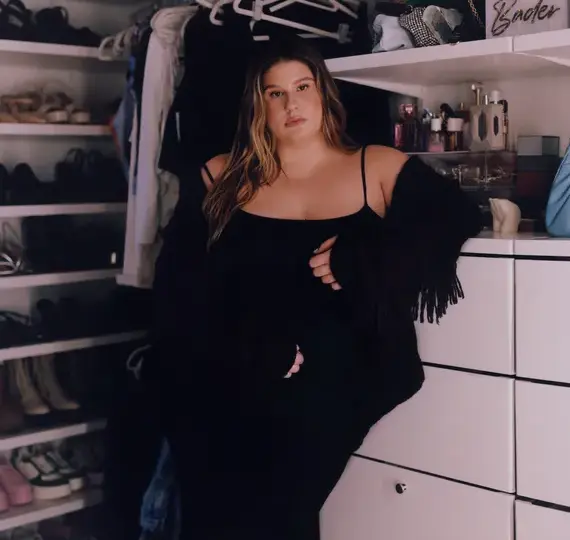
The Historical Evolution of Beauty Standards
Western ideals of female beauty have shifted significantly over the decades, but they have often remained rigid in their exclusivity.
In the 1950s, voluptuous icons such as Marilyn Monroe and Jayne Mansfield set the standard, celebrating curves and a fuller figure.
By contrast, the 1990s and early 2000s were dominated by waifish, ultra-thin supermodels like Kate Moss and Naomi Campbell, whose skeletal frames became synonymous with desirability in the public eye.
In each generation, the pressure to conform to these ideals was intense.
Women were frequently judged, often harshly, on how closely their appearance aligned with the prevailing fashion or media-driven standard, sometimes regardless of health or individual preference.
Social media has disrupted this long-standing hierarchy of beauty by democratizing visibility.
Today, users are regularly exposed to individuals with a wide variety of body types, skin tones, and personal styles.
Fitness influencers, plus-size models, non-binary creators, and self-described “ordinary” people now reach millions of viewers daily.
This visibility not only challenges previous stereotypes but also normalizes difference, showing that beauty cannot—and should not—be confined to a single template.
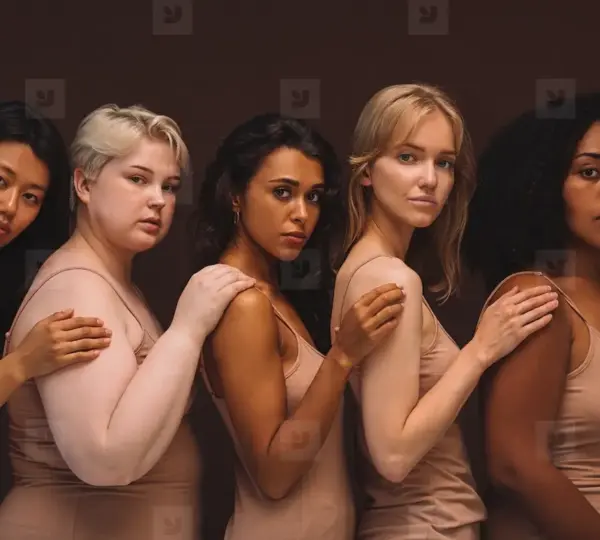
Redefining “Average”
As social acceptance of diverse body types grows, research suggests that the average body size of American women has increased over the past several decades.
A study published in the
International Journal of Fashion Design, Technology and Education found that contrary to common assumptions, the average American woman (AAW) now wears between a misses size 16 to 18, which corresponds roughly to a women’s plus size 20W.
The same study also found that the average waist size increased from 34.9 inches to 37.5 inches over the last twenty years.
Susan Dunn, a lead researcher in the study, explained to Today, “Just knowing where the average is can help a lot of women with their self-image.
We hope the apparel industry can see these numbers and understand that these women aren’t going away.
They deserve clothing that fits well, both in style and measurements, and that is available beyond back corners of stores or solely online.”
Dunn’s insights highlight how representation and realistic sizing can improve self-esteem while also challenging the fashion industry to meet the needs of a more diverse population.
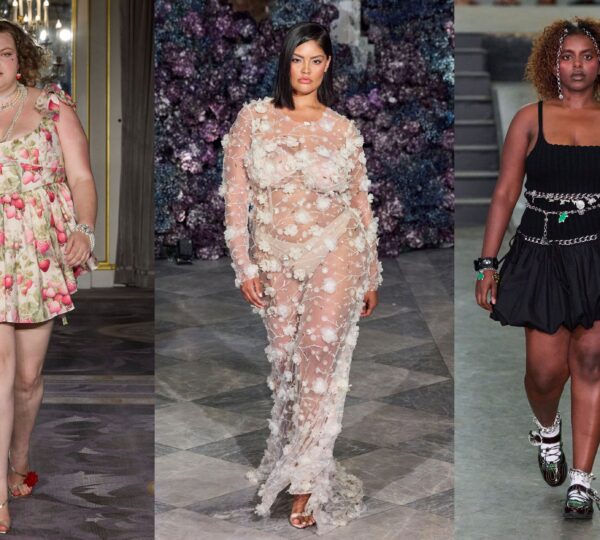
Why Are American Women Getting Bigger?
The Centers for Disease Control and Prevention (CDC) provides data showing that the average American woman today weighs approximately 170.6 pounds, compared to around 140 pounds in the 1960s.
Several interconnected factors contribute to this trend:
Lifestyle Changes: Modern work environments often involve long hours of sedentary activity.
Combined with increased consumption of high-calorie processed foods, sugary beverages, and ready-to-eat meals, these habits contribute to weight gain and reduced overall physical fitness.
Cultural Shifts: Society is slowly embracing larger body types, celebrating body diversity through media, advertising, and public campaigns that promote self-love and acceptance.
This cultural shift has helped reduce social pressure to conform to extremely thin ideals.
Genetics and Environment: Genetics play a significant role in determining body composition, metabolism, and fat distribution.
Environmental factors—such as stress levels, access to fresh and nutritious foods, and urban or rural living conditions—interact with genetics to influence average body sizes.
Health Implications
While social media can positively influence self-image and promote body acceptance, it also indirectly shapes behaviors and lifestyles that may contribute to obesity.
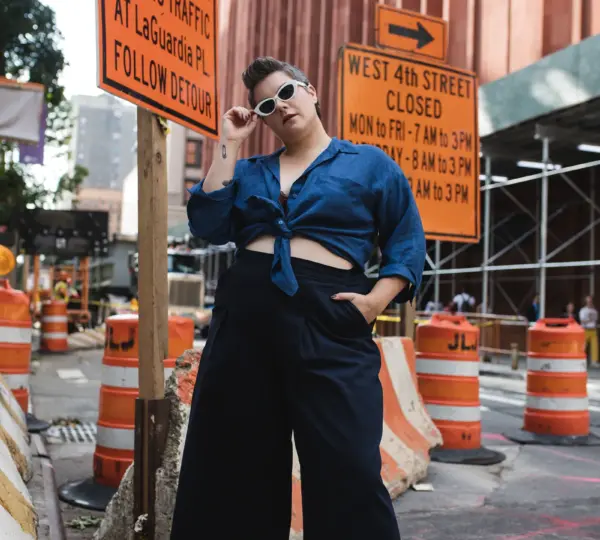
According to the World Health Organization (WHO), global obesity rates have more than doubled since 1990, a trend closely linked to modern sedentary lifestyles and dietary changes.
The Mayo Clinic emphasizes that obesity is not merely a cosmetic concern but a serious medical condition.
Being overweight increases the risk of multiple chronic illnesses, including heart disease, type 2 diabetes, hypertension, high cholesterol, sleep apnea, liver disease, and several types of cancer.
This makes it crucial for individuals, healthcare professionals, and policymakers to balance positive messages about body acceptance with education about healthy lifestyles.
The Positive Influence of Social Media
Despite its potential downsides, social media has a unique capacity to redefine beauty standards in empowering ways.
By giving visibility to diverse voices and bodies, it encourages self-expression and self-confidence.
Platforms now allow users to challenge traditional ideals of beauty, critique unrealistic portrayals in mainstream media, and promote more inclusive representations that embrace natural body shapes, skin tones, and aging processes.