Beloved Television Star Reveals an Updated Appearance at 68

David Caruso’s career is remembered fondly by many television fans who followed his rise during the 1990s and early 2000s. From the beginning, he projected a presence that was both intense and captivating, even in small early roles. His acting showed dedication, emotional focus, and a clear commitment to bringing authenticity to each character he portrayed. These early performances helped form the groundwork for the reputation he would build over time.

As his talent became more visible, Caruso reached a major turning point when he was cast in an innovative police drama in the early 1990s. The show quickly found national success, earning strong reviews from critics and loyalty from viewers. Caruso’s performance as a deliberate and perceptive detective stood out, and audiences connected with the nuance he brought to the role. He became one of the series’ defining features.

Despite the show’s momentum, Caruso left after a single season. His departure, driven by creative and professional differences, came as a surprise to the industry and to fans. Yet this bold decision opened the door to a new and uncertain chapter in his life. It reflected his desire to take risks and steer his career in a direction he believed in.The following years presented challenges. Caruso took on film roles that he hoped would elevate his standing, but the projects failed to achieve the success he anticipated. These disappointments tested his resolve, but he did not abandon his craft. Instead, he continued working, trusting that persistence would eventually lead him to the right opportunity.That persistence paid off in the early 2000s when he returned to television, this time in a leading role on a crime-focused series that soon became a global phenomenon. His performance reintroduced him to audiences worldwide and restored his status as a central figure in crime drama television. It was a defining moment that reshaped his career.Eventually, Caruso stepped away from acting and chose a quieter, more private life. Born in 1956, he now lives largely outside the spotlight, yet his influence remains strong. Fans continue to appreciate the arc of his journey, recognizing how his determination, choices, and memorable performances established him as an enduring figure in television history.David Caruso’s career is remembered fondly by many television fans who followed his rise during the 1990s and early 2000s. From the beginning, he projected a presence that was both intense and captivating, even in small early roles. His acting showed dedication, emotional focus, and a clear commitment to bringing authenticity to each character he portrayed. These early performances helped form the groundwork for the reputation he would build over time.As his talent became more visible, Caruso reached a major turning point when he was cast in an innovative police drama in the early 1990s. The show quickly found national success, earning strong reviews from critics and loyalty from viewers. Caruso’s performance as a deliberate and perceptive detective stood out, and audiences connected with the nuance he brought to the role. He became one of the series’ defining features.Despite the show’s momentum, Caruso left after a single season. His departure, driven by creative and professional differences, came as a surprise to the industry and to fans. Yet this bold decision opened the door to a new and uncertain chapter in his life. It reflected his desire to take risks and steer his career in a direction he believed in.The following years presented challenges. Caruso took on film roles that he hoped would elevate his standing, but the projects failed to achieve the success he anticipated. These disappointments tested his resolve, but he did not abandon his craft. Instead, he continued working, trusting that persistence would eventually lead him to the right opportunity.

$39,000 3 beds, 3 baths. 2,900 sqft …See more

Are you looking for a blank canvas to create your own home?

This spacious 3-bedroom, 2-bath property in Pickens offers just that.

With approximately 2,900 sq. ft. on a 0.60-acre lot, this home includes a basement and is ready for your vision.

Inside you’ll find a formal dining room, living room, keeping room, large pantry, and a bonus room with its own bathroom.

 Screened porches on the front and back provide relaxing outdoor spaces.

The home will need a ton of work but with its size, layout, and basement space, it has tremendous potential.

A great opportunity for investors or buyers ready to bring their ideas to life in a rural setting of Pickens, MS.

Property Information Table

Category Details
Bedrooms 3
Bathrooms (Total) 3
Full Bathrooms 3
Interior Features Pantry
Laundry Features Electric Dryer Hookup, Washer Hookup
Appliances Not specified
Patio/Porch Screened
Lot Size (Acres)

0.6 acres
Lot Size (Sq Ft) 26,136 sq ft
Parking Unpaved
Elementary School Goodman Pickens
Middle School William Sullivan
High School Holmes County Central
Annual Tax Amount $1,331
Tax Year

This charming Colonial-style home offers an incredible blend of space, character, and convenience.

With 3 bedrooms, 3 full bathrooms, and 2,900 sq ft of living space, it’s ideal for families or anyone seeking a spacious residence with classic architectural appeal. Built in 1933, the home carries timeless charm while providing essential modern utilities such as public water, sewer, electricity, and natural gas.

Sitting on a generous 0.6-acre lot, the property includes a screened porch, perfect for relaxing outdoors, and an unpaved parking area with plenty of room for multiple vehicles.


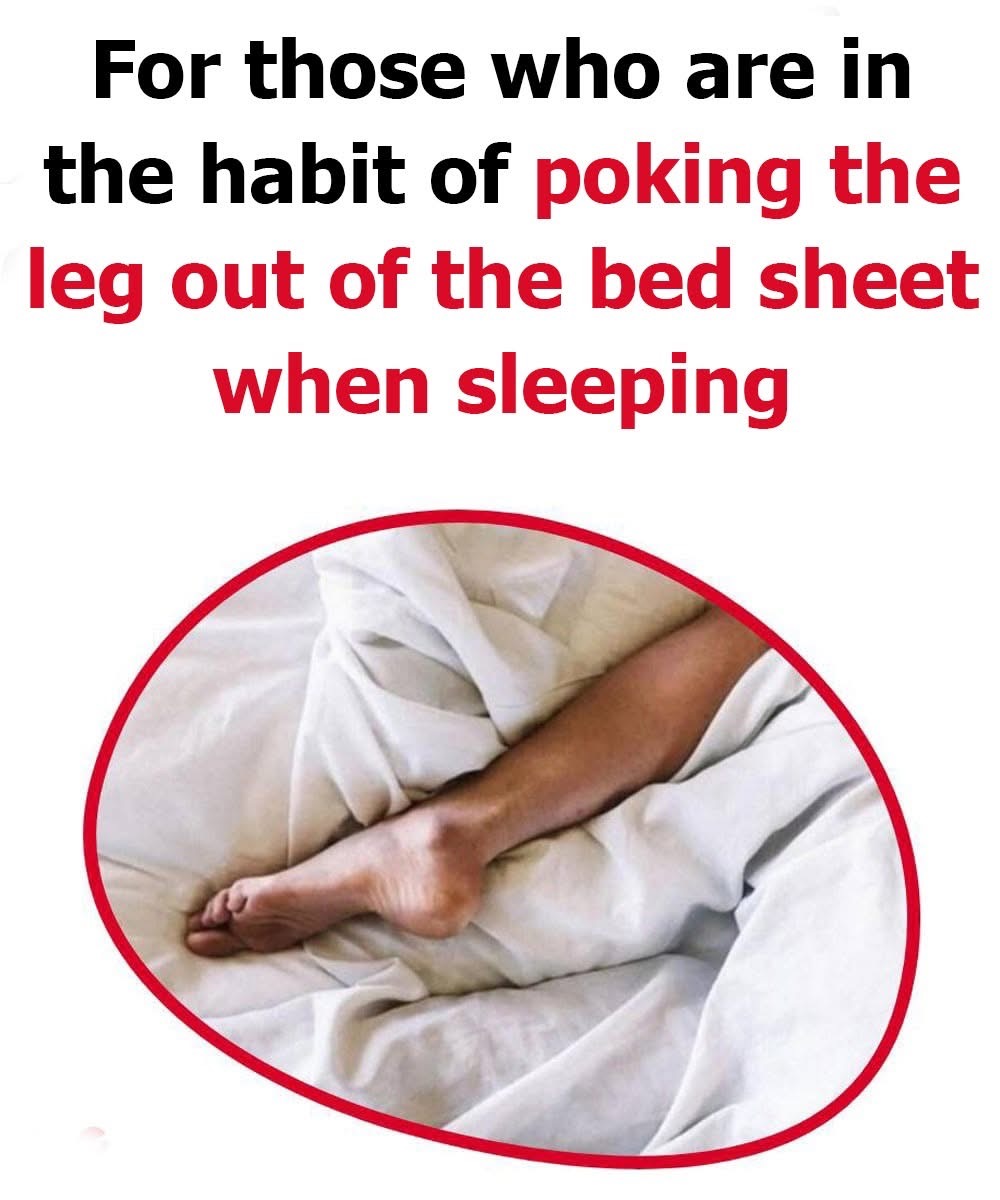
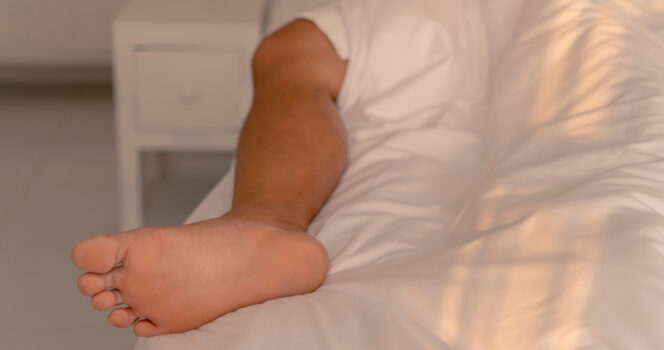
Why sleeping with one foot out might be the key to rest

You’ve probably done it without even thinking – kicked one foot out from under the blanket to cool down at night. But this common sleep habit isn’t just a quirky comfort move. According to science, it may be one of the simplest and most effective ways to help your body transition into sleep more easily and quickly.

So, what makes the dangling foot trick work so well? It turns out, the answer lies in how your body naturally handles temperature before sleep – and how your feet are uniquely designed to help regulate it.

Heat, feet and sleep

As evening falls, your body begins preparing for rest by lowering your core temperature, a natural part of the circadian rhythm. Experts say that this internal cooling is essential for initiating deep, restful sleep.“The drop in temperature starts about two hours before you go to sleep, coinciding with the release of the sleep hormone melatonin,” writes the Sleep Foundation. “During sleep, body temperature continues to fall, reaching a low point in the early morning and then gradually warming up as the morning progresses.”During this cooling process, your body directs warm blood away from the core and toward the surface – particularly your hands and feet. When these extremities are exposed to cooler air, they act as natural heat vents, releasing excess warmth to speed up your body’s transition into sleep mode.

Perfect heat-release tools

Unlike most other parts of your body, your feet (and hands) are rich in specialized blood vessels called arteriovenous anastomoses, which allow heat to escape quickly. These vessels bypass capillaries and send warm blood straight to the surface, making your soles highly efficient at cooling you down.By sticking just one foot out from under the covers, you create a passive, adjustable cooling system. It’s like cracking a window in a warm room – small, subtle, and incredibly effective.

Shutterstock

“I think it’s likely in service of trying to cool our bodies down because we’ve gotten too warm to sleep,” Natalie Dautovitch, a sleep health researcher and professor at Virginia Commonwealth University, told New York Magazine. “Sticking your toe out or your foot out could bring you to a more restorative sleep.”

Fall asleep faster

Researchers also use a measurement called the distal-to-proximal gradient (DPG), which compares the temperature of your extremities (hands and feet) to your core. A higher DPG means more heat is being released, and it’s closely linked to faster sleep onset.

A study in Journal of Physiology found that people with warmer hands and feet – therefore a higher DPG – fell asleep significantly faster than those with cooler extremities.

Exposing one foot can boost this gradient instantly, helping you fall asleep without needing to strip off all your bedding or crank down the thermostat.

Other ways to support natural cooling

  • Letting one foot breathe is simple and effective, but pairing it with other cooling-friendly habits can make your bedtime routine even more powerful:
  • Take a warm bath about one to two hours before bed to raise skin temperature and trigger cooling later as you dry off.

Family Visiting

Wife comes home late at night and quietly opens the door to her bedroom.

From under the blanket she notices four legs instead of two!

She reaches for a baseball bat and starts hitting the blanket as hard as she can.

Once she’s done, she goes to the kitchen to have a drink.

As she enters, she sees her husband there, reading a magazine.-Hi darling, he says,

Your parents have come to visit us, so I let them stay in our bedroom.

Hope you said hello to them.


Young woman puts both babies inside the fir… See more

A troubling situation unfolded earlier this week when a young father made a decision that left his entire community shaken. According to early reports, he placed both of his young daughters inside the family car and started a small fire nearby, prompting immediate concern from neighbors who witnessed the smoke. Fortunately, quick action from bystanders prevented the situation from escalating, and emergency responders were on the scene within minutes.

Authorities later confirmed that the children were safely removed from the vehicle without injury. Neighbors said they acted on instinct, rushing toward the car and calling for help as soon as they realized something was wrong. Their swift response played a major role in preventing what could have been a far more serious incident.

Investigators are now working to understand what led up to the event. Officials noted that the young father appeared overwhelmed and may have been dealing with personal struggles. Mental-health professionals were brought in to offer support, and the children were placed in safe care while authorities review the case. The community, still stunned, has expressed hope that the family will receive the help they need.

While the situation caused fear and confusion, many residents are focusing on the fact that tragedy was avoided. The courage of the neighbors and the rapid response of firefighters turned what could have been a heartbreaking story into one of relief. Local officials are now urging families to reach out for help when they feel overwhelmed, reminding everyone that support is always available before moments of crisis arise.

How to relieve and reduce phlegm in the throat effectively and safely

  1. Stay well hydrated
    Drinking enough water helps thin mucus, making it easier to clear. Without proper fluids, phlegm becomes thick and sticky, increasing discomfort. Warm beverages like ginger, chamomile, or mint tea relax the airways and soothe the throat.
  2. Use steam to loosen mucus
    Inhaling steam hydrates mucous membranes and loosens buildup. Hot showers or bowls of steaming water can quickly reduce congestion and ease throat tightness.
  3. Adjust your diet
    Certain foods can affect mucus production. Highly processed foods and excess sugar may increase phlegm, while fruits and vegetables provide vitamins and antioxidants that support immunity. Spicy foods can temporarily open airways and clear the throat.
  4. Gargle with warm salt water
    Saltwater gargles reduce throat irritation, loosen mucus, and ease the urge to clear the throat. Doing this several times a day can significantly improve comfort.
  5. Improve air quality and sleep position
    Dry air thickens mucus, making it harder to clear. Using a humidifier at night keeps the throat moist. Elevating the head while sleeping also prevents phlegm from pooling and reduces morning congestion.
  6. Stay active and practice deep breathing
    Light exercise promotes lung function and helps mobilize mucus. Deep breathing exercises and gentle coughing remove phlegm naturally without straining the throat.
  7. Try supportive home remedies
    Warm water with honey and lemon can provide relief. Honey soothes the throat, while lemon helps break down mucus. These remedies work best alongside hydration, clean air, and good nutrition.
  8. Watch for warning signs and focus on habits
    Seek medical advice if phlegm persists for weeks, changes color, or comes with fever or breathing issues. Long-term improvement depends on lifestyle adjustments: hydration, clean air, balanced diet, and healthy breathing support the body’s natural ability to clear mucus effectively.

Michael Jackson’s daughter, Paris, broke her silence

The heiress of the late “King of Pop” opened up about her battles with addiction and depression. Details of a turbulent life
In a shocking and candid interview with Rolling Stone magazine , Paris Jackson—the only daughter of the late “King of Pop” Michael Jackson—revealed that she attempted suicide on several occasions due to severe depression and also revealed that she was raped by a stranger at age 14.Although Paris—now 18—made headlines for a suicide attempt in 2013, the superstar’s daughter revealed it wasn’t just a one-time occurrence.

I tried to commit suicide several times ,” the young woman told the aforementioned publication. In June of that year, drowning in depression and drug addiction, she attempted to kill herself by slitting her wrists.

Suicidal thoughts began after her father’s death in 2009. “They always say time heals, but it really doesn’t. You just end up getting used to it,” she explained to the publication. “I lost the one thing that mattered most to me. (…) So, from now on, nothing bad can happen. (…) I feel it with me all the time .”

Why People Were Naturally Thinner in the 1970s and What We Can Learn From It Today

If you flip through old photo albums from the 1970s, one thing often stands out right away. People looked different. Neighbors, relatives, classmates, and coworkers generally appeared leaner, more active, and physically balanced. This wasn’t limited to athletes or fitness enthusiasts. It was simply how everyday people looked.

For many older Americans, these memories feel familiar. Life moved at a different pace back then, and bodies reflected that rhythm. The truth is not about strict diets, special willpower, or hidden health secrets. The real reason people were thinner in the 1970s lies in how daily life was structured. The environment itself encouraged movement, moderation, and balance without much effort.

Understanding this shift is not about longing for the past. It is about recognizing what quietly supported healthier bodies and how parts of that lifestyle can still be useful today.

Daily Movement Was Built Into Ordinary Life

In the 1970s, physical activity did not come from gym memberships or fitness apps. It came from necessity. Many households had only one car, and some had none at all. Walking was simply part of getting through the day.

People walked to school, walked to work, walked to the bus stop, and walked to local shops. Children moved constantly. They walked to friends’ houses, rode bikes, climbed trees, and spent long afternoons outdoors. Adults moved between offices, carried groceries, climbed stairs, and ran everyday errands on foot.

No one thought of this as exercise. It was just life. By the end of the day, most people had logged miles of movement without ever planning it.

Food Was Simple, Familiar, and Less Processed

Another major difference was what people ate. Grocery stores were smaller, and food options were far more limited. Meals were built around recognizable ingredients. Fresh vegetables, fruit, eggs, milk, meat, bread, and basic pantry items formed the foundation of most kitchens.

Highly processed foods were not as common, and many items we now see as everyday staples simply did not exist. Sugar was used carefully. Portions were modest. Ingredients lists were short.

Cooking happened at home and took time. Washing vegetables, peeling potatoes, stirring pots, and cleaning up required physical effort and attention. Food was something you prepared, not something you grabbed while distracted.

Meals were eaten because people were hungry, not because they were bored, stressed, or overstimulated.

Eating Followed Predictable Patterns

Most households followed a simple rhythm. Breakfast in the morning, lunch around midday, and dinner in the evening. Snacking between meals was uncommon.

Vending machines were not everywhere. There were no constant food ads or delivery services tempting people throughout the day. The body learned when to expect food and when to rest.

This regular pattern helped regulate appetite naturally. People ate until they felt satisfied, then moved on with their day.

Portions Were Smaller Without Effort

In the 1970s, portion sizes were smaller by default. Soft drinks came in small bottles. Plates were modest in size. Restaurant meals were reasonable, and leftovers were common.

There were no oversized upgrades or endless refills. Food was meant to nourish, not overwhelm.

Because portions were naturally limited, people consumed fewer calories without ever counting or restricting.

Screen Time Was Limited and Structured

Television existed, but it did not dominate daily life. Programs aired at specific times. When a show ended, the television was turned off.

Children watched briefly, then went outside to play. Families ate meals together at the table without screens. There were no phones, tablets, or constant notifications pulling attention away from the moment.

Today, many people spend hours each day sitting and looking at screens. In the 1970s, screen time was a small part of life, leaving more time for movement and connection.

Stress Was Managed Differently

Stress certainly existed decades ago, but it was not constant. People were not exposed to round-the-clock news, alerts, and digital demands.

When stress built up, it was often released through physical activity or social interaction. People walked, talked, worked with their hands, or spent time outdoors. Sleep routines were more consistent, which helped regulate appetite and energy levels.

Food was not a primary coping tool for emotional overload.

Work Required More Physical Effort

Even office jobs involved movement. Workers walked between departments, climbed stairs, carried paperwork, and stood during tasks.

Manual labor and physically demanding jobs were more common, meaning movement was built directly into the workday. Sitting for hours without interruption was rare.

Boredom Led to Action, Not Snacking

Without personal screens in every pocket, boredom pushed people to do something. They visited neighbors, worked on hobbies, ran errands, or went outside.

Boredom encouraged movement rather than stillness. Idle moments often turned into physical activity instead of reaching for food.

The Truth Many People Overlook

People in the 1970s were not more disciplined or morally superior. They were not following secret health plans.

They lived in an environment that naturally supported balance. Movement was unavoidable. Food was simpler. Distractions were fewer. Portions were smaller. Life itself guided healthier habits.

Today’s environment often encourages sitting, constant eating, and nonstop stimulation. The body responds to what it is given.

What Still Works Today

No one needs to recreate the past exactly to benefit from its lessons. Small changes can make a meaningful difference.

Walking whenever possible helps reintroduce natural movement. Cooking at home with simple ingredients brings awareness back to food. Limiting constant snacking allows the body to reset hunger signals. Using smaller plates helps control portions without effort.

Eating without screens encourages mindful meals. Improving sleep routines supports appetite and energy. Standing up and moving regularly breaks long periods of sitting. Spending time outdoors reconnects the body to natural rhythms.

The body does not require extreme plans or rigid rules. It responds best to an environment that supports how it was designed to function.

A Lifestyle, Not a Shortcut

The physical balance seen in past decades was not about perfection or genetics. It reflected a lifestyle that was more active, less artificial, and more grounded in everyday movement.

Reintroducing even a few of these habits can help support comfort, energy, and well-being at any age. The goal is not to turn back time, but to move forward with greater awareness.Sometimes, the most effective changes are not new discoveries at all. They are simple reminders of how life once worked and how the body still responds today.Why were we so thin in the 70s? (The truth will surprise you.) 🤔😱… See more 👇

Born on These Dates? You May Be Naturally Gifted, Experts Say

The concept of human potential has long been a subject of fascination, spanning the realms of psychology, genetics, and the more esoteric disciplines of numerology and astrology. While traditional science looks to the double helix of DNA to explain our natural inclinations, a significant portion of the global population finds meaning in the celestial and numerical patterns present at the moment of their birth. The idea that being born on a specific date can bestow a person with unique “natural gifts” is a compelling narrative that suggests we are born into a pre-existing rhythm of the universe. Though these connections are not scientifically quantified, they offer a rich framework for self-discovery, allowing individuals to explore their capacities for empathy, creativity, and spiritual insight through the lens of their arrival in the world.

Among the most discussed dates in the world of numerology are those characterized by repeating or mirrored numbers—dates like April 4th (4/4), July 7th (7/7), October 10th (10/10), and December 12th (12/12). In many cultures, these dates are referred to as “master dates” or “doubles,” and they are believed to represent a rare state of mental and emotional equilibrium. The symmetry of the numbers is thought to reflect an internal harmony within the individual. Those born under these balanced configurations are often described by experts in the field as having an innate “inner clarity.” This clarity is not merely the absence of confusion; it is the active ability to synchronize the cold, hard requirements of logic with the fluid, subjective demands of human emotion.

In a modern world that often forces a choice between the head and the heart, the “naturally gifted” individuals born on these mirrored dates are said to possess a bridge between the two. This makes them exceptionally effective decision-makers. While others might be paralyzed by an emotional outburst or stunted by an overly analytical perspective, these individuals are thought to navigate the middle path. They are the natural leaders of our society—not necessarily because they seek power, but because they possess the calm, steady hand required to steer a team through a crisis. When challenges arise, their internal “numerical balance” allows them to remain grounded, seeing the solution where others only see the obstacle.

Beyond the mirrored dates, the study of birth-date-aligned gifts often branches into specific “power periods” of the year. For instance, those born during the transition of seasons are frequently credited with a high degree of adaptability. These “transitional” individuals are seen as the chameleons of the workforce and the family unit. Because they were born at a time when the world itself was in a state of flux—moving from the death of winter to the rebirth of spring, or the heat of summer to the harvest of autumn—they are believed to carry a natural resonance with change. Their gift is resilience; they do not fear the shifting tides of life because their very entry into the world was marked by a shift in the natural order.

Creativity is another gift often associated with specific temporal windows. Those born under the influence of the “Water” signs or specific high-vibration numbers in numerology (such as 3, 6, and 9) are frequently touted as the visionaries of our time. These birth dates are thought to open a more porous connection to the subconscious mind. Experts suggest that these individuals don’t just “have” ideas; they “receive” them. Their natural gift is the ability to translate the abstract into the tangible, whether through art, music, or innovative problem-solving in the tech and business sectors. They are the dreamers who possess the technical stamina to make their dreams real, often driven by an internal clock that feels a deep, ancestral pull toward expression.

The realm of empathy and intuition is perhaps where birth date theory is most vocal. Many believe that individuals born on the 2nd, 11th, 20th, or 29th of any month are born with an “open” emotional frequency. In numerology, the number 2 and its derivatives are associated with partnership, sensitivity, and the moon. These individuals are often the “empaths” of their social circles, gifted with the ability to sense the unspoken needs of those around them. This isn’t just a social skill; it is regarded as a natural biological and spiritual aptitude. They are the healers and the counselors, the ones who can walk into a room and immediately identify the source of tension without a word being spoken. Their gift is the silent language of the heart, a tool that allows them to build deep, lasting connections in an increasingly disconnected world.

For those born on dates associated with high logic and structure—often the 1st, 10th, 19th, and 28th—the gift is one of pioneering spirit. These dates carry the “1” energy, symbolizing the beginning, the spark, and the individual. These people are the “architects of the future.” Their natural gift lies in their mental quickness and their refusal to accept the status quo. They are born with a mental framework that demands progress. While they may sometimes struggle with the slower pace of others, their ability to visualize a finished product and the steps required to get there is unparalleled. They are the inventors and the entrepreneurs who define the eras in which they live.

While skeptics may dismiss these associations as mere coincidence or the “Barnum Effect”—where people see themselves in vague, positive descriptions—the psychological benefit of exploring these gifts is undeniable. Using one’s birth date as a starting point for self-reflection can be a powerful tool for self-growth. It encourages individuals to look for the “gift” within their personality rather than focusing on their perceived flaws. If a person born on October 10th believes they are naturally balanced, they are more likely to practice mindfulness and seek out leadership roles, effectively manifesting the very gift their birth date promised.

In conclusion, whether the alignment of our birth dates with specific talents is a matter of cosmic design or a beautiful psychological myth, the exploration of these “natural gifts” provides a sense of purpose and belonging. It suggests that none of us are here by accident, and that the timing of our arrival was the first note in a masterpiece we are destined to compose. From the balanced leaders of the mirrored dates to the intuitive empaths of the lunar cycles, these birthday archetypes remind us that every human being is born with a unique set of tools. By identifying and honing these innate capacities, we not only better understand ourselves but also find our rightful place in the intricate tapestry of human existence.

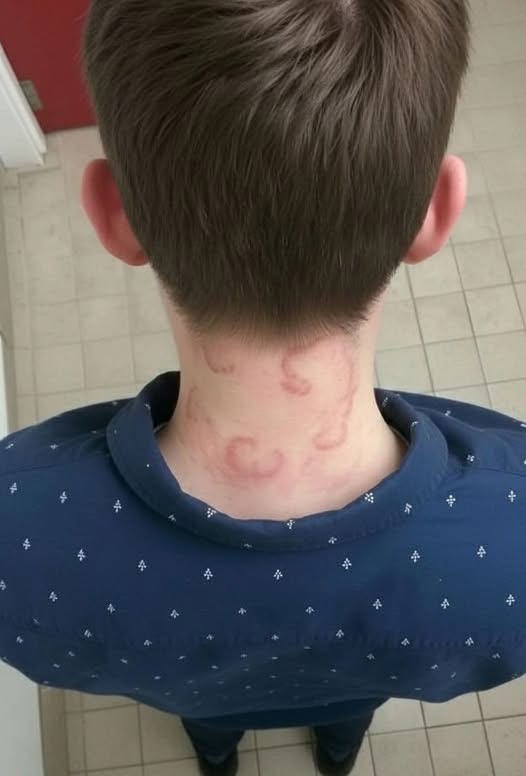
My 8 year old son been having this for 2 months straight it’s gotten worse from the first time he had this.. What is it

What began as a mild itch soon revealed itself as something far more serious. At first, the skin felt irritated, with burning sensations and red, swollen patches that appeared and disappeared unpredictably. Like many people, he assumed it was a simple allergy triggered by food, contact, or the environment. The symptoms seemed annoying but manageable—until they kept returning and spreading.

A medical diagnosis brought clarity and concern: urticaria, commonly known as hives. This condition is not merely a surface rash. It is driven by mast cells in the immune system releasing histamine into the bloodstream, causing fluid to leak from small blood vessels and form raised, itchy welts. While often harmless, the reaction can escalate.

As the condition progressed, swelling extended beneath the skin. Lips enlarged, eyelids puffed, and a tightening sensation developed in the throat. This deeper reaction, known as angioedema, can be dangerous when it affects the face or airway. What once felt uncomfortable now became frightening.

Doctors searched for possible triggers, including foods, medications, infections, temperature changes, pressure, or stress. In many cases, no single cause is identified. Short-term outbreaks are labeled acute urticaria, while symptoms lasting more than six weeks are considered chronic and can persist for months or years.

Treatment focused on controlling the immune response. Antihistamines became the foundation, sometimes at higher doses, with corticosteroids used during severe flares. Topical treatments offered relief, but education proved just as important as medication.

The experience reshaped his awareness of bodily signals. Swelling around the lips or throat, breathing difficulty, or rapid symptom escalation are never minor. Skin reactions may look harmless, but they can signal deeper danger. Recognizing those warnings early can turn fear into control—and, in some cases, quietly save a life.