New Advances Make Acne Treatment More Effective Than Ever

Acne, one of the most common skin conditions worldwide, is becoming easier to treat thanks to new scientific advances and improved skincare approaches. Dermatologists report that modern acne treatments are now more effective, faster-acting, and safer for people of all ages, offering renewed hope to millions who struggle with breakouts.

Recent research shows that acne is not caused by a single factor, but by a combination of excess oil production, clogged pores, bacteria, inflammation, and hormonal changes. Understanding this has allowed scientists to develop targeted treatments that address multiple causes at once. As a result, patients are seeing clearer skin with fewer side effects than in the past.

One of the most important developments is the improvement of topical treatments. New formulations of retinoids, benzoyl peroxide, and salicylic acid are designed to be gentler on the skin while remaining highly effective. These products reduce irritation, dryness, and redness, making it easier for patients to stay consistent with treatment—an essential factor in long-term success.

Oral medications have also seen progress. Dermatologists are now prescribing antibiotics more carefully to reduce resistance, often combining them with non-antibiotic treatments. In addition, newer hormonal therapies are helping people whose acne is linked to hormonal imbalances, especially adult women. These options provide effective control without relying heavily on long-term antibiotic use.

Technology is playing a growing role as well. Light and laser therapies are gaining popularity for their ability to reduce acne-causing bacteria and inflammation without damaging the skin. These treatments, once considered experimental, are now widely available and supported by clinical studies showing positive results.

Experts also emphasize the importance of personalized skincare. Rather than using harsh, one-size-fits-all products, patients are encouraged to choose treatments based on their skin type and acne severity. This individualized approach has significantly improved outcomes and reduced the risk of scarring.

Dermatologists agree that early treatment remains key. Addressing acne promptly not only improves appearance but also protects mental health, as acne is closely linked to anxiety and low self-esteem. With continued research and innovation, acne treatment is becoming more effective than ever, helping people achieve clearer skin and greater confidence.

The search for 18-year-old twins C

The search for 18-year-old twins Carolina and Luiza has come to a heartbreaking end.

Authorities confirmed that the sisters, who had been missing for several days,

were found lifeless in a remote area outside the city.

Their disappearance had sparked a massive search effort involving family members, volunteers, and local police, all hoping for a different outcome.

According to early reports, the location where they were found showed no immediate signs of foul play,

though investigators are carefully examining every detail to understand what happened.

Autopsy results are expected to shed light on the cause, as officials continue to gather evidence and interview those who last saw the twins alive.

Friends describe Carolina and Luiza as inseparable — bright, full of dreams, and always looking out for one another. Their sudden passin

Mexican President Claudia Sheinbaum issue!

In the high-stakes theater of Western Hemispheric politics, the voice of Mexico has emerged as a resonant and defiant counterpoint to the dramatic events unfolding in Caracas. President Claudia Sheinbaum’s recent condemnation of the United States’ military operation in Venezuela—and the reported capture of Nicolás Maduro—was far more than a standard diplomatic protest.

It landed with the weight of a thunderclap, signaling a profound reassertion of Mexican sovereignty and a warning that the legal architecture of the Americas is under threat.

By invoking the United Nations Charter and the venerable Estrada Doctrine, Sheinbaum has not only criticized a specific tactical maneuver but has also drawn a definitive red line around the principles that govern power in the region.The core of Sheinbaum’s rebuke lies in her appeal to Article 2(4) of the UN Charter, which explicitly prohibits the threat or use of force against the territorial integrity or political independence of any state.

For Mexico, this is not an abstract legalism; it is the cornerstone of a global order designed to protect smaller nations from the unilateral whims of hegemonic powers.

By framing the American strikes in Caracas as a fundamental breach of this international covenant, Sheinbaum is positioning Mexico as the guardian of multilateralism.Her message to Washington is clear: no matter the internal politics of a nation or the criminal allegations against its leader, the act of “foreign boots on sovereign soil” represents a dangerous regression to an era of interventionism that Latin America has spent decades trying to transcendCentral to this stance is the Estrada Doctrine, a pillar of Mexican foreign policy since 1930.

The doctrine posits that foreign governments should not judge the legitimacy of other regimes, as doing so constitutes an insulting violation of sovereignty. In a modern context, Sheinbaum is using this principle to resist the “might makes right” philosophy that she sees emerging from the current U.S. administration. While other nations in the region have murmured alarm or maintained a cautious silence, Mexico has chosen to lead with a philosophy of non-intervention.

This choice is rooted in a collective regional memory of coups, covert operations, and imposed leaders—a history that Sheinbaum insists must not be repeated.

To her, the reported capture of a sitting president, regardless of his ideology, sets a precedent that endangers every state in the hemisphereThis diplomatic stand also serves as a strategic maneuver regarding Mexico’s own relationship with its northern neighbor. The tension is amplified by recent rhetoric from President Donald Trump, who suggested that Mexico itself might require similar “intervention” to address the power of drug cartels.

By standing firm on the Venezuelan issue, Sheinbaum is preemptively defending Mexican soil.

She has used her daily briefings to dismiss the notion of a U.S. invasion of Mexico as something she does not believe is being taken “seriously,” yet her categorical rejection of foreign interference serves as a shield.

She is reminding the world—and the White House—that cooperation on critical issues like migration, security, and the fentanyl crisis cannot be taken for granted if the basic rules of sovereignty are discarded.The ripples of Mexico’s “thunderclap” are being felt throughout Latin America, particularly among left-leaning leaders in Brazil and Colombia who share Sheinbaum’s apprehension.

There is a growing fear that the hemisphere is sliding toward a new era of coercion, where criminal indictments are used as a pretext for military regime change. Mexico’s insistence on dialogue and negotiation as the only legitimate paths forward is a direct challenge to the “Operation Absolute Resolve” strategy.

Sheinbaum’s administration is effectively arguing that the battle for Caracas is, in reality, a battle for the soul of international law.

If the global community acquiesces to the unilateral removal of a leader, the very concept of a sovereign state becomes a fragile privilege rather than an inherent right.Furthermore, Sheinbaum’s critique extends to the United Nations itself.

Alongside Foreign Secretary Juan Ramón de la Fuente, she has lamented the “passive role” of the UN, suggesting that the primary multilateral structure of the world has proven ineffective in containing the abuses of great powers.

This critique highlights a broader frustration among nations of the Global South, who see international law as their only defense against power asymmetries.

By raising her voice when the UN has remained relatively quiet, Sheinbaum is attempting to fill a moral and legal vacuum, asserting that the American continent belongs to its people, not to a single power or a single doctrine.Ultimately, President Sheinbaum’s warning is a call for a return to a “zone of peace” built on mutual respect and the peaceful settlement of disputes.

She is betting that principles will ultimately prove more durable than pressure. In the long winters of geopolitical crisis, Mexico is positioning itself as the voice of conscience, reminding its neighbors that intervention has never brought lasting democracy or stability to the region.

The real test in the coming months will not be found in the courtrooms of New York where Maduro may face trial, but in the diplomatic corridors of Mexico City and Brasília. The question remains: will the hemisphere accept a new status quo of intervention, or will the red line drawn by Mexico inspire a collective reassertion of Latin American independence? For Claudia Sheinbaum, the answer is found in the history of her people—a history that dictates that only the residents of a nation have the right to determine its future.

How to Tell If an Egg Came from a Healthy Chicken! 6 Signs of Superior Quality

When you crack an egg into a pan or bowl, you’re doing more than starting a recipe. You’re getting a quiet snapshot of how that egg was produced and, by extension, how the chicken that laid it lived. A hen’s diet, stress level, and overall health show up clearly in the egg itself. Once you know what to look for, it becomes surprisingly easy to tell whether an egg came from a healthy, well-cared-for chicken or from a bird raised under poor conditions. Understanding these signs helps you make better choices for your family, improves the quality of your cooking,…

The shell tells the first part of the story. A strong, well-formed shell is one of the clearest signs of a healthy hen. Pick up the egg and feel it. It should feel solid and sturdy, not fragile or chalky. You shouldn’t be able to dent it easily with light pressure from your fingers. Weak shells often point to nutritional deficiencies, especially a lack of calcium or vitamin D in the hen’s diet.


Items You May Consider Letting Go of After the Loss of a Loved Ones

After losing someone close, the effects of that absence often extend beyond the emotional weight of grief and quietly alter the physical spaces we inhabit. Rooms that once felt familiar can suddenly seem distant or hollow, filled with a silence that did not exist before.The home itself may begin to feel different, as though it is carrying memories in every corner. Items that once blended into daily life can start to draw attention in unexpected ways. A jacket left on the back of a chair, shoes still placed by the door, a favorite plate resting untouched in the cupboard.

These ordinary objects can awaken powerful emotions, often without warning, pulling the mind back into moments that feel both comforting and painful. Grief has a way of embedding itself into our surroundings, transforming neutral spaces into emotional landscapes.

In the early stages of loss, keeping belongings close can feel reassuring. Holding on to objects may provide a sense of continuity, a way to maintain connection when everything else feels uncertain. Familiar items can seem like anchors, reminders that the bond shared still exists in some form.

Over time, however, certain belongings may begin to weigh heavily on the heart. Instead of offering comfort, they can quietly reinforce sadness, making it harder to move forward. Recognizing this shift does not mean diminishing love or loyalty. It reflects an understanding that healing sometimes requires change, even when that change feels difficult.

Letting go of certain possessions does not erase memories or lessen their importance. The essence of a relationship is not contained within objects alone. Memories, shared experiences, and emotional bonds remain part of who we are, regardless of what we keep on a shelf. Releasing items can become a thoughtful act of self-respect, acknowledging personal limits and emotional needs. It is a way of caring for oneself during a period when vulnerability is already present.

The spaces we live in influence emotional balance more than we often realize. Small adjustments can create meaningful shifts. Clearing a drawer, reorganizing a room, or donating items that no longer serve a purpose can subtly change the energy of a home. These actions are not about removing the past. They are about allowing the present to breathe. A living space that feels calm and supportive can help the mind rest, offering moments of peace amid ongoing grief. When surroundings reflect care and intention, they can gently encourage stability and resilience.

This process unfolds differently for everyone. There is no fixed schedule or correct order. Some people find it easier to begin with items that carry less emotional significance, gradually working toward those that hold deeper meaning. Others prefer to take long pauses between decisions, allowing emotions to settle before moving forward. Both approaches are valid. What matters is listening to personal readiness rather than external expectations.

Many choose to preserve a small collection of meaningful keepsakes. Photographs, letters, or objects tied to cherished memories can be kept in a dedicated space, serving as reminders without overwhelming daily life. Meanwhile, other belongings may be passed on through donation or shared with family members, giving them continued purpose. Knowing that an item may bring comfort or usefulness to someone else can transform the act of letting go into something positive.

As space opens up around us, something often shifts internally as well. The heaviness of constant reminders may soften, allowing grief to settle into a quieter, more manageable form. Memories remain, but they begin to coexist with moments of calm rather than crowding them. This gradual transformation does not signal forgetting. It reflects adaptation, a natural response to profound change.

Ultimately, remembrance is not measured by the number of objects retained. It lives in values passed on, lessons learned, and love that continues to shape choices and perspectives. Creating an environment that supports healing honors both the past and the present. Through thoughtful care of our surroundings, we give ourselves permission to move forward while carrying what truly matters within us.

Student’s Drunken Email to Teacher Goes Viral After Legendary Reply

Social media is once again buzzing after a hilarious and oddly wholesome exchange between a student and his teacher resurfaced online. The viral screenshot shows what happens when late-night drinks, autocorrect, and academic stress collide — and the internet can’t get enough of it.

According to the post, a student allegedly got drunk and decided it was the perfect time to email his teacher. What followed was a chaotic, typo-filled message that left very little to the imagination. The student not only attempted to ask for an extension on his paper, but also insulted his teacher’s bald head, offered to “hook him up” with someone who could help grow his hair back, and casually signed off with “Love u.” All of this, of course, was sent directly from his iPhone.

Most people would expect silence, disciplinary action, or at the very least a stern response.

Instead, the teacher replied — and absolutely stole the show.

In a calm, professional, yet razor-sharp response, the teacher acknowledged the email, extended the paper deadline, and gently reminded the student to submit the assignment properly. Then came the humor. The teacher addressed the bald comment with confidence, explaining that his wife likes it and joking that he doesn’t get paid enough for hair implants anyway.

But the final line is what truly made the internet lose it.

The teacher politely asked what the student had been drinking and suggested that next time, the student should email him “like a bottle” of whatever it was — so he wouldn’t have to remember what was said.

The exchange has since gone viral, with thousands praising the teacher’s wit, professionalism, and sense of humor. Many commenters joked that this is the kind of understanding educator every student dreams of, while others saw it as a masterclass in handling awkward situations with grace.

Beyond the laughs, the story highlights an important lesson: mistakes happen, but how we respond to them matters. The teacher could have embarrassed the student or escalated the situation, but instead chose humor, kindness, and boundaries.

As one commenter put it, “This teacher didn’t just teach a class — he taught a life lesson.”

One thing is certain: this is one email the student — and the internet — will never forget. 🍻📚

Common Signs and Symptoms That Can Point to Eyelash Mites

Most people move through daily routines without thinking much about their eyelashes beyond grooming or appearance. Yet eyelashes, like many areas of the skin, belong to a delicate and active environment. Microscopic organisms naturally live there, often without causing any issues at all. Among these organisms are eyelash mites, a topic that can sound alarming at first but is far more common than many expect.

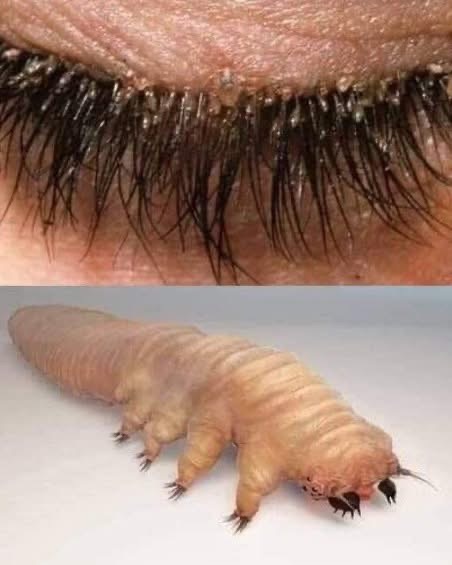
Eyelash mites, medically referred to as Demodexmites, are present on the skin of the majority of adults. In healthy balance, they remain unnoticed and inactive. Discomfort tends to appear only when their numbers increase beyond typical levels. When that shift occurs, the eyes and eyelids may begin to show subtle but persistent signs. Learning what these mites are and how they interact with the body makes it easier to recognize symptoms early and take steps that support long-term eye comfort.

What Eyelash Mites Are and Why They Are Present

Demodex mites are microscopic organisms that reside in hair follicles and oil-producing glands. Two main varieties are associated with humans. One type primarily occupies hair follicles, including eyelashes and eyebrows. The other type prefers sebaceous glands, which produce oils that help protect and moisturize the skin.

Their presence does not indicate poor hygiene or illness. These mites are part of the skin’s natural ecosystem. As people age, oil production changes, immune responses shift, and skin composition evolves. These changes can create conditions that allow mite populations to increase. When that balance becomes disrupted, irritation and inflammation may develop.

When Eyelash Mites Begin to Cause Problems

An overgrowth of eyelash mites can contribute to a condition known as blepharitis, which involves inflammation along the eyelid margins. This inflammation can interfere with normal eye comfort and daily function. Symptoms often appear gradually, making them easy to overlook during the early stages.

Common signs linked to mite overgrowth include ongoing itching around the eyelids, redness along the lash line, and a burning or gritty sensation in the eyes. Some people notice crust-like debris collecting at the base of their eyelashes, especially in the morning. Others experience light sensitivity, watery eyes, or a feeling of eye fatigue that persists throughout the day. In more advanced cases, eyelashes may thin or fall out more frequently.

These symptoms can overlap with other eye conditions, which is why persistent discomfort deserves attention rather than assumption.

Factors That Can Increase the Risk

Several factors can contribute to eyelash mite overgrowth. Age plays a role, as natural skin defenses and oil production shift over time. Changes in immune function may also allow mites to multiply more easily. Certain skin conditions, including rosacea or chronic eyelid inflammation, can create an environment that supports increased mite activity.

Daily habits influence risk as well. Inconsistent facial cleansing, sharing eye makeup, or continuing to use old cosmetic products can encourage buildup around the eyes. Contact lens wearers who do not follow careful hygiene routines may also notice increased irritation over time.

How Eyelash Mites Are Diagnosed

Diagnosis typically involves an evaluation by an eye care professional. Using magnification, they examine the eyelids and eyelashes for inflammation, debris, or other characteristic signs. In some cases, a small number of eyelashes are viewed under a microscope to confirm the presence of mites. This examination is brief and helps guide appropriate care decisions.

Managing Eyelash Mites Through Daily Care

Management often begins with consistent eyelid hygiene. Washing the face daily with a mild cleanser helps remove excess oils and debris that contribute to mite growth. The eye area should be cleaned gently using products designed for sensitive skin.

Warm compresses placed over closed eyelids can help loosen debris and support healthy oil gland function. Afterward, the eyelids can be carefully cleansed using diluted baby shampoo or specially formulated eyelid cleansers recommended by healthcare providers. These steps help maintain balance and reduce irritation.

Avoiding expired cosmetics, removing eye makeup thoroughly, and not sharing personal beauty items also support eye health. Regularly washing pillowcases, towels, and makeup brushes further reduces oil and debris buildup.

When Medical Treatment May Be Recommended

If symptoms continue despite improved hygiene practices, medical treatment may be appropriate. Eye care professionals may suggest medicated cleansers or ointments designed to reduce mite populations and calm inflammation. These treatments are typically used for a specific duration and monitored by a professional to ensure comfort and effectiveness.

Supporting Long-Term Eye Comfort

Awareness remains one of the most effective preventive tools. Noticing changes around the eyes and responding early can prevent discomfort from escalating. Eyelash mites are common, but they do not need to interfere with daily life or vision.

Healthy routines, regular eye examinations, and informed care choices help preserve comfort and clarity. By understanding how eyelash mites function and recognizing early signs of imbalance, you can protect one of the body’s most sensitive and expressive areas with confidence and care.

How Often Should You Wash Your Hair? Expert Explains

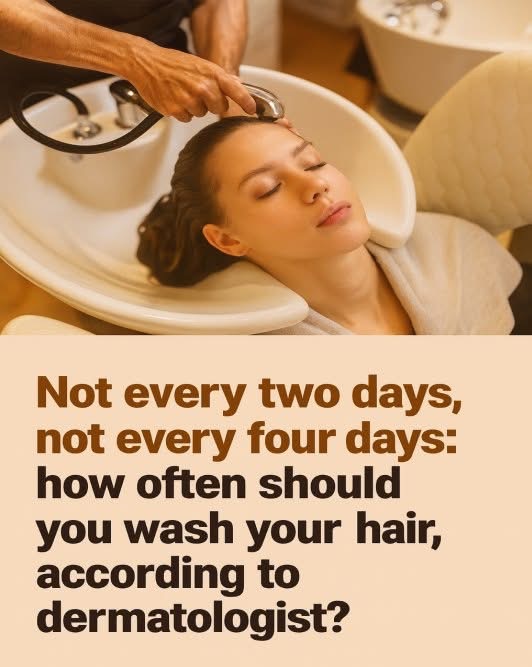
Many people wonder how often they should wash their hair, especially as they get older and notice changes in texture, dryness, or sensitivity. Dermatologists say that most people do well washing their hair three to five times per week, with flexibility based on individual needs. The goal is not just clean hair, but a healthy scalp, since oil, sweat, and product can build up over time and affect comfort, appearance, and overall scalp balance.Regular washing helps remove excess oil, reduce odor, and minimize irritation caused by environmental factors or styling products. Experts note that frequent washing does not cause the scalp to produce more oil, a common myth that often causes people to delay shampooing longer than necessary. Skipping washes for too long may lead to itching, flaking, tenderness, and a greasy appearance, especially in warm climates or for individuals who exercise frequently. The best schedule is one that keeps the scalp clean and comfortable without over-drying.

Product choice also matters. As hair becomes finer or drier with age, dermatologists recommend gentle shampoos or sulfate-free options for sensitive scalps. Conditioner can help protect and soften the hair, but it is usually best applied from the mid-lengths to the ends rather than on the roots, which can lead to flat or oily results. A weekly hydrating treatment may benefit hair that feels dry or coarse.

Simple washing habits can make a big difference. Using warm water, massaging gently with fingertips, rinsing thoroughly, and avoiding heavy oils on the scalp help maintain balance. Ultimately, the best routine is one that matches your lifestyle and keeps your scalp feeling fresh, calm, and healthy.

How Wearing Socks Indoors Supports Comfort and Foot Health as We Age!


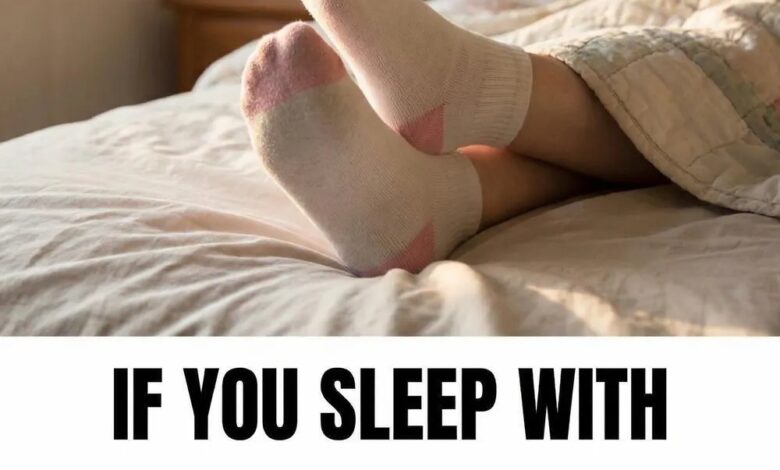
For many people, especially those who have spent a lifetime walking barefoot around the house, the idea of wearing socks indoors can feel unnecessary. Bare feet often signal relaxation and familiarity. Yet as the body ages, small changes in daily habits can have a surprisingly large impact on comfort, safety, and overall well-being. Wearing socks at home is one of those quiet adjustments that may seem insignificant but can meaningfully support foot health, circulation, and daily ease.

Aging naturally brings changes to the feet. Skin becomes thinner and more fragile, fat padding on the soles decreases, and sensitivity to temperature increases. Circulation also tends to slow with age, making cold hands and feet more common, even in mild environments. Hard flooring, cool tiles, and drafts that once went unnoticed can begin to cause discomfort, stiffness, or a persistent feeling of chill. Socks provide a simple buffer between the feet and the environment, helping the body maintain balance and comfort throughout the day.One of the most immediate benefits of wearing socks indoors is warmth. Cold feet are more than a nuisance; they can affect how the entire body feels. When feet are exposed to cold surfaces, blood vessels may constrict, reducing circulation and intensifying sensations of stiffness or numbness. Gentle warmth from socks encourages blood flow, helping feet feel more relaxed and responsive. Over time, this can make walking, standing, and even sitting more comfortable, particularly during colder months or in homes with tile, stone, or hardwood floors.Material choice plays an important role. Soft, breathable fabrics such as cotton, bamboo, or merino wool help regulate temperature without trapping moisture. These materials keep feet warm while allowing airflow, reducing the risk of sweat buildup or irritation. For older adults with sensitive skin, seamless socks or those designed specifically for comfort can prevent pressure points and rubbing. The goal is not heavy insulation, but consistent, gentle warmth that supports circulation without discomfort.

Wearing socks indoors can also contribute to better rest and relaxation. The body relies on subtle temperature cues to transition into sleep. Warm feet help signal the nervous system that it is time to wind down. For older adults who struggle with falling asleep or staying asleep, lightweight socks can help maintain a stable body temperature overnight. This reduces disruptions caused by cold feet and supports deeper, more restorative rest. It is a simple, non-invasive habit that aligns with the body’s natural rhythms.

Beyond temperature regulation, socks provide valuable protection for aging feet. Skin on the feet can become dry and prone to cracking, especially around the heels. Walking barefoot on hard or dry surfaces can worsen this, leading to discomfort or even small wounds. Socks create a protective layer that reduces friction and helps retain moisture, particularly when paired with regular foot care. This barrier also shields feet from dust, bacteria, and minor abrasions that can occur during everyday movement around the home.

Safety is another key consideration. Falls are a significant concern as people age, and many occur indoors. Bare feet or slippery socks on smooth floors can increase the risk of losing balance. Non-slip socks, designed with grip patterns on the soles, offer added traction without the bulk of shoes. They allow for natural movement while reducing the chance of sliding on tile or wood. For older adults who prefer not to wear shoes indoors, non-slip socks strike a practical balance between comfort and safety.

Hygiene benefits should not be overlooked. Socks help keep feet clean by limiting direct contact with floors, which can harbor dust, allergens, and bacteria. This is especially helpful for individuals with compromised skin integrity or conditions that affect healing. Regularly changing socks keeps feet fresh and dry, reducing the risk of fungal infections and irritation. Choosing socks that fit well—neither too tight nor too loose—ensures comfort while supporting healthy circulation.

Wearing socks indoors can also support daily mobility. When feet are warm and protected, people are often more confident moving around their home. Reduced stiffness and improved comfort can encourage light activity, whether it’s walking from room to room, doing household tasks, or standing for short periods. These small movements contribute to maintaining strength, balance, and independence over time. Comfort supports activity, and activity supports long-term health.

It’s worth noting that wearing socks indoors does not mean abandoning personal preference or comfort. The habit can be adapted to individual needs. Some people prefer thin socks during the day and warmer ones in the evening. Others may choose socks only during colder seasons. The key is awareness: understanding that feet need more care as the body changes, and responding with simple, supportive choices.

Foot health is closely connected to overall well-being. Discomfort in the feet can affect posture, balance, and even mood. By keeping feet warm, protected, and comfortable, socks help support the foundation of daily movement. This small habit can reduce minor annoyances that add up over time, making daily routines feel easier and more enjoyable.

Wearing socks indoors is not about restriction or inconvenience. It is about adapting gently to the body’s evolving needs. As we age, comfort often comes from small, thoughtful adjustments rather than dramatic changes. Socks offer warmth, protection, safety, and a sense of ease—all without effort or expense.

In the end, the value of wearing socks indoors lies in consistency. A simple pair of well-chosen socks can quietly support circulation, protect sensitive skin, improve rest, and reduce risks around the home. It’s a modest habit with meaningful benefits, proving that sometimes the simplest choices are the ones that contribute most to long-term comfort and quality of life.


I Never Expected This Moment to Happen at My Wedding

I grew up believing my father had died when I was eight years old. There was no funeral, no photos, no stories—only a quiet sentence from my mother telling me he was gone and that I should let him go. So I did. Over time, the questions faded, and the absence became ordinary. A year later, my mother remarried, and Dan entered my life not with grand gestures, but with steady consistency. He fixed what broke, waited through illnesses, and showed up without asking for recognition. Without either of us naming it, he became family.When I got engaged years later, my decision felt natural. I asked Dan to walk me down the aisle—not because he replaced anyone, but because he stayed. He hesitated, his expression heavy with something I didn’t understand, then quietly agreed. On my wedding day, nerves filled the room as final details fell into place. Dan was unusually quiet, adjusting his cufflinks again and again. Just before the ceremony, he stopped me and said there was something I needed to know. Before he could continue, everything changed. A man I had never met stepped forward and said he was my father—the man I believed had been gone for years.The ceremony was halted, guests ushered out, and my world tilted. Later, still in my wedding dress, I demanded answers. Dan told me the truth: my father hadn’t died. He had disappeared after legal trouble, and my mother chose silence over uncertainty. Letters were written but never given. When I finally spoke to the man who shared my blood, it wasn’t a tearful reunion—just a careful conversation between strangers. He asked for nothing, only the chance to no longer be invisible.In the days that followed, I confronted my mother and acknowledged the hurt her choices caused. I chose distance for my own peace. My wedding eventually took place quietly. Dan walked me down the aisle, steady and proud. My father attended as a guest—present, but patient. I learned then that family isn’t defined by blood or absence, but by presence, honesty, and care. Peace came not from uncovering every truth, but from choosing who walks beside you forward.