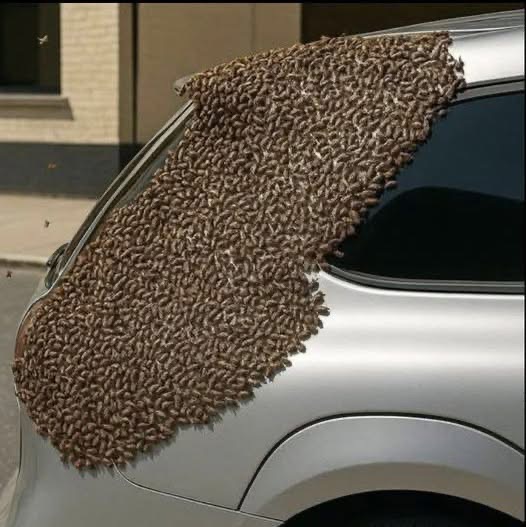
When you see bees like this, don’t be afraid. Don’t call firefighters or civil protection, don’t move them, don’t poison, don’t kill!

When you encounter bees swarming, it’s natural to feel uneasy, but understanding their behavior can help you respond calmly and responsibly. Swarming occurs when a honeybee colony becomes too large, and the old queen leaves the hive with a portion of the bees to find a new home. During this period, bees cluster together on branches, fences, or walls, and contrary to popular belief, they are not aggressive. Their focus is on protecting the queen and establishing a safe location, not on stinging. In fact, because stinging would be fatal to them, swarming bees are generally docile and unlikely to attack unless provoked.

It’s important not to call firefighters, pest control, or attempt to eliminate the bees yourself. Firefighters are not trained to handle swarms, and intervention can cause unnecessary harm to both people and the bees. Pesticides and poisons indiscriminately kill bees, contributing to declining populations and disrupting ecosystems. Bees are vital pollinators, responsible for pollinating over 70% of the world’s crops, including fruits, vegetables, and nuts. Reducing bee populations has far-reaching consequences for biodiversity, food security, and environmental health.

The best course of action is to stay calm and maintain a safe distance. Avoid loud noises, sudden movements, or attempts to spray or disturb the swarm, as these actions can provoke defensive behavior. Observe quietly from afar; swarming bees are transient and usually move on within 24–48 hours. If intervention is necessary, contact a local beekeeper or a bee rescue group. Experienced professionals can safely relocate swarms without harming the bees, ensuring they continue their vital ecological role.

Coexisting peacefully with bees also means creating environments that support their health. Planting bee-friendly flowers, avoiding pesticides, and encouraging pollinator-friendly gardening practices help sustain local bee populations. Educating neighbors and community members about swarming behavior can reduce unnecessary fear and foster appreciation for these essential insects. Over time, small actions collectively support the survival of bees and the ecosystems they maintain.

Respect, patience, and knowledge are key when encountering a bee swarm. By remaining calm, observing from a distance, and reaching out to professionals, you contribute to protecting one of nature’s most important pollinators. Understanding their behavior and ecological role transforms fear into appreciation, allowing humans and bees to coexist safely and harmoniously.

Ultimately, bees are not just buzzing insects—they are essential workers sustaining the balance of our environment. Treating them with respect, avoiding harmful interventions, and supporting their habitats ensures that both humans and bees thrive together. By adopting these practices, you’re helping protect biodiversity, food security, and the health of the planet, while also experiencing the wonder of witnessing a fascinating natural phenomenon.

Endless Potential Awaits — Restore, Reimagine, and Make It Your Own, New York

The property sits on a large, nearly six-acre plot and features a spacious two-storey house built in 1930. Its size and age provide significant potential for creative restoration, allowing a future owner to shape it into something unique. Although the interior requires extensive work, the layout offers a solid foundation for redesign.

On the first floor, the home includes a kitchen, living room, dining room, office or flexible room, and two bedrooms. The second floor contains two additional bedrooms and access to a partially usable attic, which could be finished for extra storage or living space. The structure also includes a partial basement, adding more room for utilities or expansion.

Construction materials reflect the home’s era: a stone foundation, timber exterior masonry, and a shingle roof. The listing notes that the house is sold “as is, where is,” meaning the buyer accepts all visible structural and service-related issues. Notably, there is no bathroom inside, and the water and sewage systems require completion, though basic preparation is in place.Beyond the main building, the site features a large raised stable, offering possibilities for storage, livestock, or conversion into a workshop or studio. The lot also includes underground parking and flowerbeds that can be redesigned to suit personal landscaping preferences, enhancing the outdoor environment.

This property stands out as an ideal investment for someone with vision and willingness to undertake a full restoration. Its size, rustic character, and rural surroundings make it an appealing blank canvas for a custom home or development project. With the right planning, each room can be renewed while honoring the building’s 1930s charm.

Overall, the home represents an opportunity to create something extraordinary from the ground up. Interested buyers can obtain further details by contacting the listing agent through the Zillow link provided with the property photos.

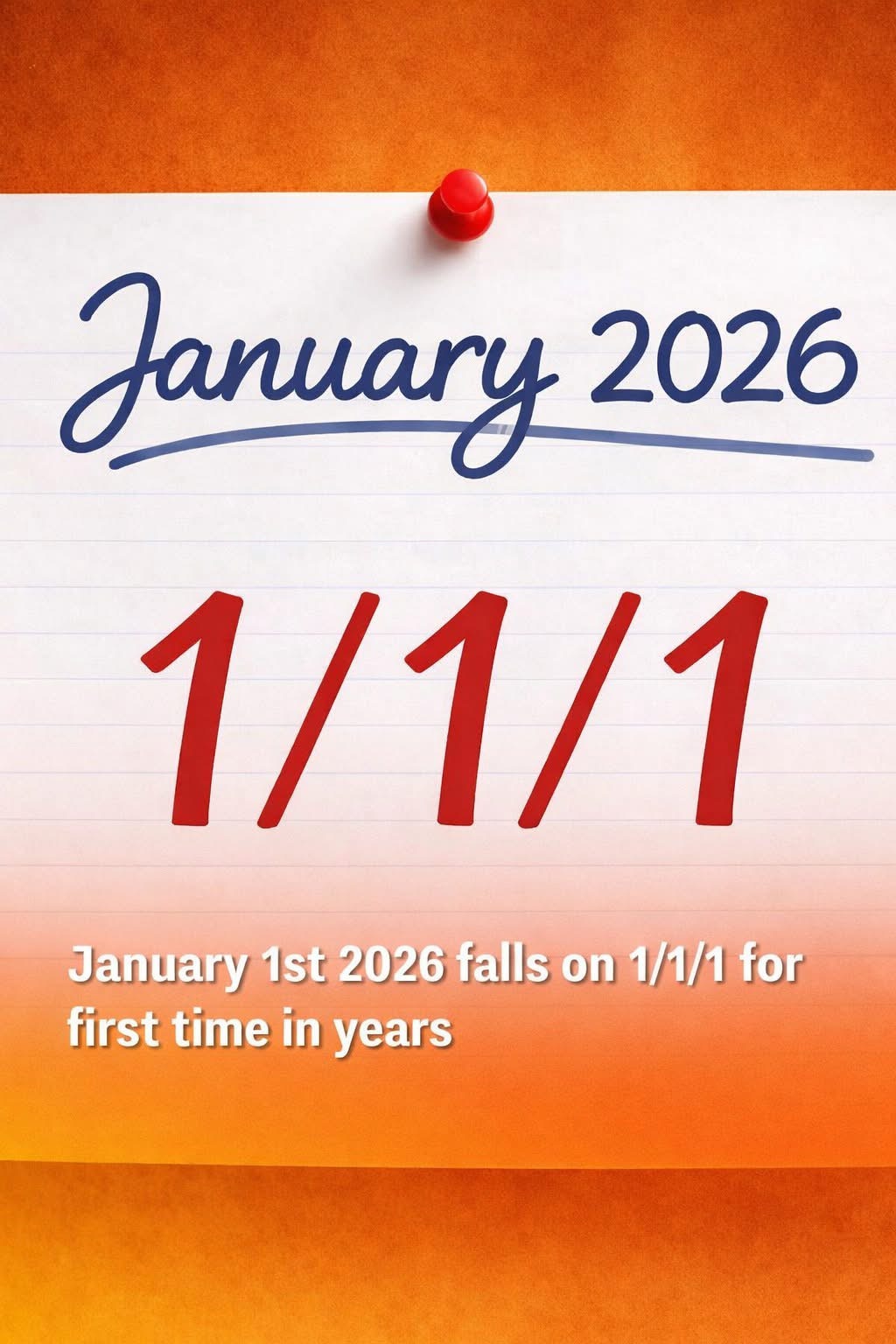
Why January 1, 2026 Is Being Called a “1-1-1” Date

The energy around January 1, 2026 is not normal. Believers say it’s a once-in-years opening, a door in time where intentions don’t just whisper into the universe—they roar. Some are quietly planning to rewrite their entire lives that day. Others warn that ignoring it means missing a nine-year destiny shift. The numbers, the timing, the spiritual stakes all conver… Continues…


For those who follow numerology and manifestation, January 1, 2026 isn’t just another New Year’s Day; it’s the ignition point of an entirely new chapter. The “1/1 Manifestation Portal” is tied to a triple-one alignment—January (1), the first day (1), and the numerological reduction of 2026 to 1—signaling fresh starts, leadership, and bold self-direction. Believers view it as the opening gate to a new nine-year cycle, a rare reset moment that last appeared in 2017 and won’t return until 2035.On so-called portal days, many feel that intentions carry extra weight, as if the universe is especially tuned to focused desire. People are preparing to write down what they truly want, speak it aloud, and visualize it in vivid detail on that day. Whether seen as mystical timing or a powerful psychological anchor, January 1, 2026 is becoming a collective invitation: to choose with courage, to begin again on purpose, and to treat one single day as the first page of a very different nine-year story.


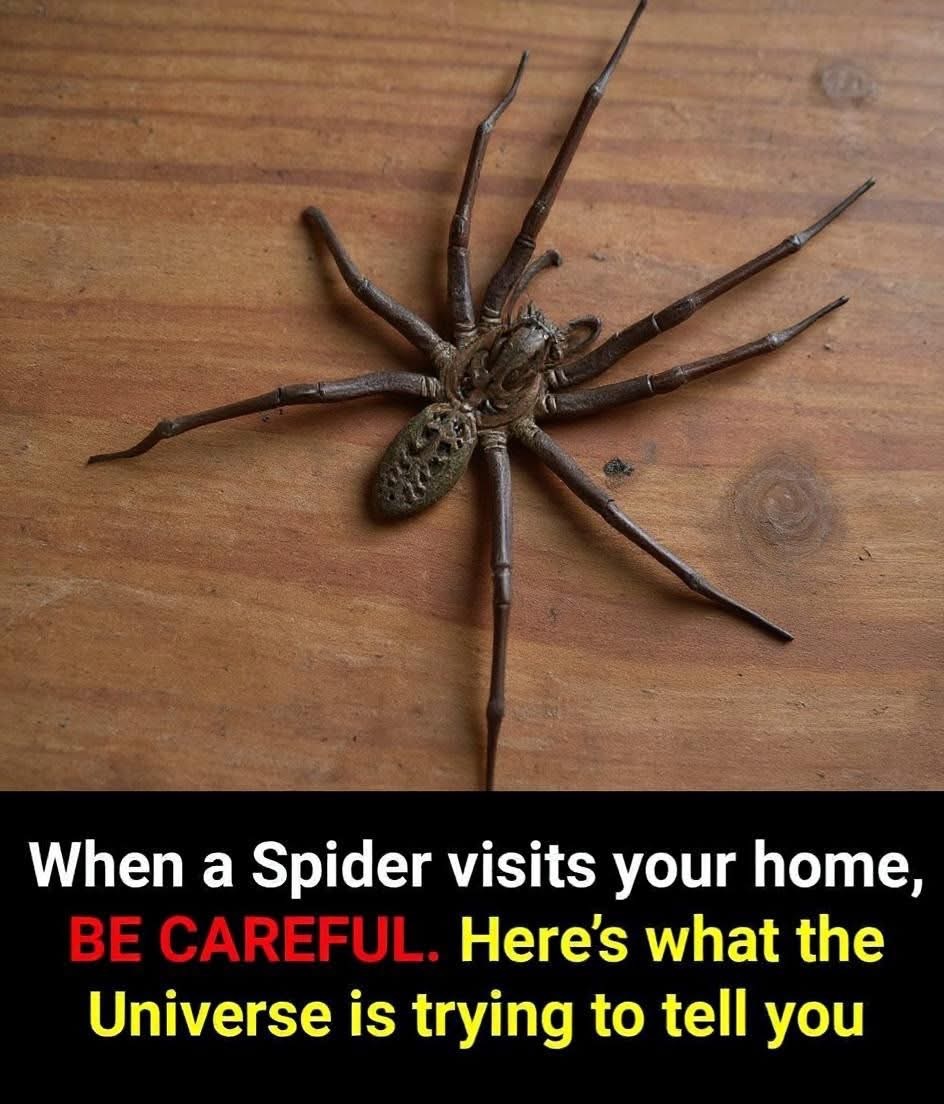
Did You Know? When a Spider Visits Your Home, It Could Be a

Spiders — love them or hate them — are some of the most misunderstood creatures to enter our homes.

While many people’s first reaction is to squish or sweep them away, different cultures and traditions suggest that a spider’s presence may carry a deeper meaning.

According to folklore, spiritual beliefs, and even psychological insights, when a spider visits your home, it might not be just a creepy crawler — it could be a symbolic message.

Here’s what it could mean.


🕷️ 1. A Sign of Prosperity and Wealth

In many cultures, spiders are symbols of good luck and fortune. Why?

  • Their intricate webs represent patience, creativity, and abundance.
  • In some traditions, seeing a spider in your home — especially spinning a web — is thought to invite financial blessings or opportunities.

In ancient folklore, “a spider in the house means money is coming.”

So next time you spot one in the corner of your ceiling, it might just be weaving more than silk — it could be weaving success into your space.

🧠 2. A Reminder of Patience and Purpose

Spiders are master builders. They don’t rush. They construct elaborate webs one strand at a time — quietly, methodically, and with full focus.

Symbolically, a spider sighting could be a gentle nudge to slow down, trust the process, and stay consistent with your goals, no matter how slow your progress feels.

“Like a spider’s web, your efforts will connect — and something beautiful will emerge.”

🔮 3. Spiritual Presence or Protection

In some belief systems, a spider entering your home is thought to signal a visit from the spirit world — a message from an ancestor, a guardian, or the universe.

Spiders are viewed as protective creatures, silently observing from corners and keeping other pests (like mosquitoes or flies) at bay. In this sense, they’re not intruders — they’re watchful allies.


😨 4. Facing Your Fears

If you have arachnophobia (fear of spiders), their presence might trigger anxiety — but on a symbolic level, it can also mean it’s time to confront something you’ve been avoiding.

Whether it’s a conversation, a decision, or a dream you’ve put off chasing, that little spider might be the universe’s way of saying:
“Stop running. Face it. It’s time.”


🏠 So, What Should You Do When a Spider Appears?

Instead of reaching for the shoe, try this:

  • Observe it. What is it doing? Spinning a web? Sitting still? Moving toward light?
  • Reflect. What’s been happening in your life lately? Any patterns or decisions you’ve been thinking about?
  • Release it gently if you need to — but consider offering gratitude. After all, it may have carried more meaning than you think.

✨ Final Thought

Spiders may not have wings, but they’ve long been seen as messengers — weaving stories, opportunities, and reminders into our lives. Whether you see them as spiritual signs or symbols of creativity and change, their presence can offer a deeper message if you’re willing to listen.

So the next time a spider visits your home, don’t just ask “Why is this here?”
Ask:
“What might it be trying to show me?”

🕷️
Because sometimes, the smallest visitors bring the biggest messages.

Your Favorite Pie and the Personality Traits Linked to It

Food has always meant more than nourishment alone. It is deeply connected to memory, emotion, and identity, shaping how we experience life’s meaningful moments. Certain flavors can instantly transport us back to childhood kitchens, family gatherings, or quiet afternoons filled with comfort and familiarity. Over time, these associations grow stronger, turning food into a symbol of belonging and emotional warmth. Among desserts, pies hold a special place, often tied to tradition, celebration, and shared experiences.Our food preferences are rarely accidental. What we gravitate toward often reflects personality traits and emotional needs. Comfort foods, in particular, reveal what brings us a sense of ease or joy. When presented with a variety of pies, the one that draws your attention first may mirror qualities you value most, such as stability, creativity, excitement, or peace. These small choices are influenced by personal history and individual temperament.Those who prefer classic pies like apple, pumpkin, pecan, or sweet potato often value reliability, connection, and home. They tend to be grounded, supportive, and comforting to those around them. In contrast, people drawn to bolder flavors such as cherry, coconut, key lime, or chocolate often display confidence, curiosity, and enthusiasm. They enjoy new experiences and bring energy into social settings.

Softer choices like blueberry, banana cream, maple, or strawberry suggest calmness, optimism, and emotional balance. While no preference defines a person entirely, our tastes offer insight into what we find comforting. Like recipes, people are unique blends of qualities, each bringing something meaningful to the table.

Tim Walz Just Got Caught In Massive Lie About ICE ‘Arresting Americans’

Democrats thought they’d found the perfect horror story. A trembling “slight woman.” Dark-of-morning ICE arrests. A governor raging about “Gestapo” tactics and American citizens dragged away. Tim Walz went all in on that script. But the facts didn’t just undercut his narrative — they obliterated it. The woman wasn’t targeted for being a citizen. She was arrested for obstru… Continues…


Tim Walz didn’t stumble into this lie; he built it. For years he’s smeared ICE and Border Patrol as “fascists,” comparing them to the Gestapo, priming his base to see every lawful arrest as a moral atrocity. So when a 55-year-old American woman was arrested after confronting ICE during a neighborhood raid, Walz pounced, framing it as proof that Trump’s agents were snatching up citizens at random.But the record shows something very different. Federal law clearly criminalizes resisting or interfering with officers carrying out their duties. The article Walz cited even concedes that point. The woman wasn’t arrested for her passport; she was arrested for refusing lawful commands in an active operation. Walz stripped that context because panic serves his politics. Trump is enforcing laws Democrats are too cowardly to repeal, so they attack the enforcers instead — and hope voters never read past the headlines.

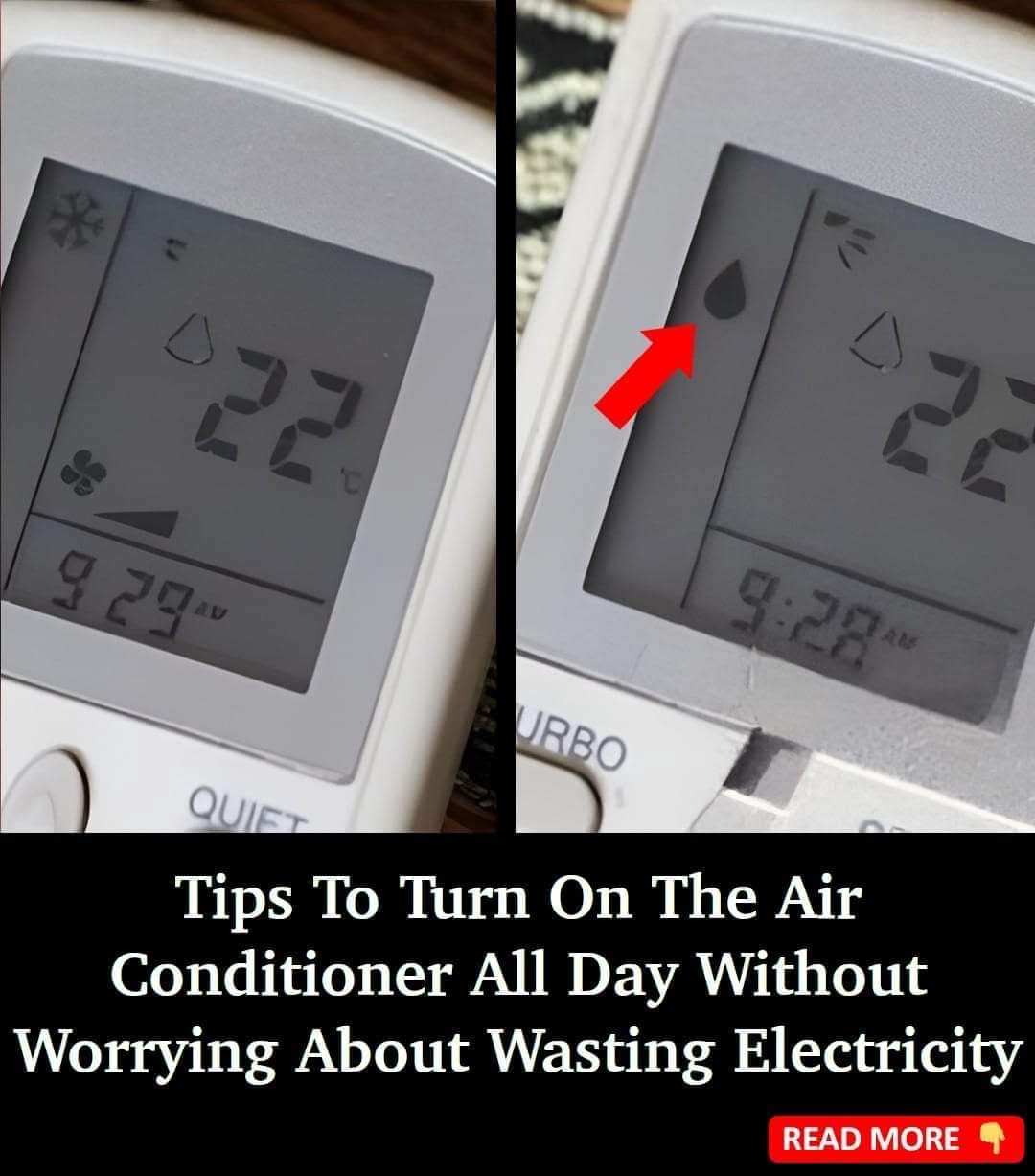
12 Tips to Keep Your Air Conditioner Running Efficiently Without Breaking the Bank

Keeping your home cool doesn’t have to mean overworking your air conditioner or watching energy bills climb all summer. In most cases, better cooling comes from reducing strain on the system and helping cooled air move where it’s needed. Small, consistent habits can significantly improve comfort, efficiency, and the lifespan of your AC.

Air filters are one of the simplest but most overlooked components. When filters clog with dust and debris, airflow drops and the system works harder to push air through. Cleaning or replacing filters every 30–60 days keeps cooling steady, improves indoor air quality, and reduces long-term wear on the system.

Airflow matters just as much inside the house.Blocked vents and registers prevent cool air from circulating properly, creating hot spots and forcing the AC to run longer. Keeping vents clear and interior doors open allows air to balance naturally across rooms, reducing temperature swings.

Sealing your home is another major efficiency gain. Small gaps around doors, windows, and wall penetrations allow cool air to escape and hot air to enter. Weatherstripping, caulk, and draft blockers help stabilize indoor temperatures so the system doesn’t need to compensate constantly.

Ceiling fans work as silent partners to your AC. They don’t cool the air itself, but they move it effectively, allowing you to raise the thermostat a few degrees without sacrificing comfort. Fans use far less energy than air conditioning and can noticeably lower cooling costs.

Sun control plays a surprisingly large role.Closing blinds or curtains during the hottest part of the day—especially on south- and west-facing windows—reduces heat buildup. This passive cooling step helps rooms stay comfortable without extra energy use.

Annual professional maintenance keeps everything running efficiently. Technicians check refrigerant levels, clean coils, and identify small issues before they become expensive repairs. A tuned system cools faster, runs shorter cycles, and lasts longer.

Thermostat settings matter. A range of 24–26°C (75–78°F) offers a balance between comfort and efficiency. Dropping the temperature too low won’t cool your home faster—it just increases energy use. Smart thermostats can automate adjustments when you’re away or asleep.

Outdoor condenser care also affects performance. Light shade improves efficiency, but airflow must remain unobstructed. Cleaning debris from coils ensures proper heat transfer and reduces compressor strain.

Finally, reducing indoor heat sources—such as ovens, dryers, and stovetops—during peak daytime heat lowers the cooling load. Running them in the evening helps the AC maintain balance with less effort.

Together, these steps don’t just lower bills; they create a cooler, more stable home environment while protecting one of your most important systems.

Perfect Baked Potatoes: A Simple Guide with Topping Ideas

Baked potatoes have long held a special place as a comfort food staple because they are simple, dependable, and deeply satisfying. With their crisp outer skin and soft, fluffy interior, they strike a perfect balance of texture that appeals to a wide range of tastes. Whether served as a humble side dish or transformed into the foundation of a full meal, baked potatoes deliver warmth and familiarity. Their appeal lies in the fact that they feel hearty and nourishing without being heavy or complicated, making them a reliable choice in both everyday cooking and more relaxed meals.

One of the strongest reasons baked potatoes remain so popular is their versatility. A plain baked potato can stand on its own, offering a mild, earthy flavor that pairs well with almost anything. At the same time, it can easily be dressed up or down to suit different preferences, cuisines, and dietary needs. From minimal seasoning to generous toppings, the baked potato adapts effortlessly, proving that satisfying food does not require elaborate preparation or exotic ingredients.

Nutritionally, baked potatoes offer more than many people expect. When prepared simply, they are naturally low in fat and provide valuable nutrients such as fiber, potassium, and vitamins C and B6. These nutrients support digestion, muscle function, and overall health. Starchy varieties like russet potatoes are especially well suited for baking, as their structure allows them to become light and airy inside while maintaining a sturdy skin that crisps beautifully in the oven.

Preparing a baked potato is straightforward and accessible, even for inexperienced cooks. The process begins by heating the oven to 400°F, or 200°C, which allows the potato to cook evenly and develop a crisp exterior. Washing and drying the potatoes thoroughly removes dirt and excess moisture, while piercing the skin with a fork helps release steam during baking. This simple step prevents splitting and ensures an even texture throughout.

A light coating of olive oil or butter, along with a sprinkle of salt, enhances the flavor and helps the skin turn golden and crisp without overpowering the potato’s natural taste. The potatoes can be placed directly on the oven rack for maximum airflow or on a baking sheet for convenience. Baking typically takes between 45 and 60 minutes, depending on size, and the potatoes are ready when a fork slides easily into the center with little resistance.

Once baked, toppings open the door to endless creativity. Classic options like butter, sour cream, and cheese remain favorites, but vegetables, herbs, beans, or plant-based alternatives allow baked potatoes to fit nearly any diet. Their simplicity, adaptability, and comforting nature explain why baked potatoes continue to be a dependable and beloved choice in kitchens around the world.

THE WEDDING INVITATION THAT BROKE OUR FAMILY

When my cousin, Lisa, announced her engagement, the whole family was ecstatic. She and Jake had been together for years, and everyone had been waiting for the day they’d make it official.

A few months later, she sent out beautiful “save the date” cards, the kind with embossed gold lettering and a romantic sunset background. I was excited—I loved weddings, and Lisa was like a sister to me.

As the wedding date got closer, I realized I hadn’t received an actual invitation yet. At first, I brushed it off, thinking maybe she was sending them late. But as more time passed, doubt started creeping in. Maybe mine got lost in the mail? So, I finally texted Lisa, casually asking when the invites were being sent out.

“Hey! So, we actually decided to do something really small—just ten people in Vegas. We’re keeping it intimate, mostly immediate family. I hope you understand! We just couldn’t afford a big wedding.”

I won’t lie, it stung a little. Lisa and I had always been close, and I thought I’d be at least among the top ten people she’d want there. But I understood. Weddings were expensive, and if this was what made her happy, then I wasn’t going to hold it against her.

Then, a week later, I got another message from her.

I was in the middle of eating dinner when my phone buzzed. Expecting it to be a casual follow-up, I absentmindedly opened the message—and GASPED.

It was an official notice from Lisa and Jake, but it wasn’t another wedding update. It was a GoFundMe link.

“Hey everyone! Since we’re keeping the wedding small, we’d love it if you could help us have our dream honeymoon! We’ve set up this fundraiser for contributions instead of gifts. Anything helps! Love you all!”

I blinked at the screen, rereading the message to make sure I hadn’t misinterpreted it. They couldn’t afford to invite people to the wedding—but they had no problem asking us for money?

I scrolled through the GoFundMe page, feeling a mix of disbelief and irritation. They weren’t asking for a modest sum. The goal was set at $15,000. For their honeymoon.

The description talked about their “once-in-a-lifetime” trip to Bora Bora, detailing their planned activities: a luxury overwater villa, private helicopter tours, spa treatments, and fine dining.

I checked the donor list. Some family members had already chipped in—fifty bucks here, a hundred there. A few left sweet comments like, “Wish we could celebrate with you! Have a cocktail for us!”

I sat back, processing. I wasn’t upset that they wanted a small wedding. That was fine. But asking people—especially those who weren’t even invited—to fund their luxury vacation? That felt… wrong.

I debated what to do. Should I ignore it? Politely decline? Or should I be honest?

After a few minutes of staring at the donation page, I decided on honesty.

“Hey Lisa, I just saw the GoFundMe. I’m really happy for you and Jake, but I have to admit, this feels a little off. You didn’t have room for me at the wedding, but you want me to help pay for your honeymoon?”

She replied almost immediately.

“Oh no, no pressure at all! We just thought if people wanted to contribute instead of a gift, this would be an option! But if you don’t want to, that’s totally fine.”

Her message seemed harmless enough, but something about it still felt off. Like she knew how it looked but wanted to play it down. I decided to let it go.

I didn’t donate. And I didn’t hear much from Lisa after that.

Until the day of the wedding.

That morning, my phone pinged with an Instagram notification. Lisa had just gone live. Curiosity got the best of me, and I clicked on it.

The stream opened to a massive, extravagant wedding ballroom. Chandeliers dripped with crystals, the tables were covered in lavish floral arrangements, and a live band played in the background. Lisa, in a stunning designer wedding dress, was twirling on the dance floor while guests clapped and cheered.

I scanned the crowd. There were way more than ten people.

My stomach dropped.

They hadn’t had a small Vegas wedding. That was a lie. They had a full-blown luxury wedding, but they’d pretended it was tiny so they could exclude people without looking bad.

And then, like a final slap in the face, I saw the guest list. Some of the people there? Distant family members I knew Lisa barely spoke to. People I had never seen her interact with outside of big family events. Some of them, rich.

I exited the stream, my heart pounding.

I wasn’t hurt anymore. I was angry.

It wasn’t about not being invited. It was about being lied to—about the whole family being manipulated. They had made people feel guilty about their “budget” wedding, then shamelessly crowdfunded a five-star honeymoon.

I wasn’t the only one who noticed. The family group chat exploded that night.

My aunt Otilia: “Lisa said they couldn’t afford a big wedding. What the hell was that live stream?!”

My cousin Mark: “Wait, they asked me for honeymoon money but threw a full-blown banquet??”

And then, the best message of all—Lisa herself, trying to do damage control.

“Guys, please don’t take it the wrong way! We had to keep the guest list small for immediate family but we got last-minute sponsorships from vendors so we were able to have a bigger event. We didn’t mean to hurt anyone!”

Sponsorships?

So now they were claiming that vendors had donated services to them at the last second? It was a pathetic excuse, and no one was buying it.

Family members started pulling their donations from the GoFundMe. Some even left comments calling out the deception. Within an hour, Lisa took the page down completely.

And just like that, the damage was done.

Lisa and Jake got their wedding, but they lost something much bigger: our trust.

Would you ever forgive something like this? Or would this be a relationship-ending betrayal for you? Let me know in the comments—and don’t forget to share this with someone who loves a good wedding drama!

Tommy Lee Jones’ Daughter Victoria Jones, 34, Found Dead at Hotel

Victoria Jones was found lifeless before dawn in a San Francisco luxury hotel, and almost nothing about her final hours makes sense. A beloved daughter, a quiet life, a sudden death at 34. No signs of foul play, no cause of death released, only questions. Police, paramedics, a famous father, and a family silenced by gri… Continues…


Victoria Jones’ death in a San Francisco hotel room has left a jagged silence around a family that has spent decades in the spotlight yet guarded its private life fiercely. Responders arrived just before 3 a.m., but there was nothing to be done; an unnamed woman, later believed to be Victoria, was pronounced dead at the scene. Authorities say foul play is not suspected, and the medical examiner has yet to release a cause, deepening the sense of shock rather than easing it.For Tommy Lee Jones, whose film career has been defined by stoic, unshakeable characters, this loss cuts far beyond any role. Victoria had once stepped into his world on-screen, appearing in Men in Black II and The Three Burials of Melquiades Estrada, before slipping back into relative obscurity. Now, images of father and daughter on red carpets and at festivals feel unbearably fragile — snapshots of a life that ended far too soon, with answers still painfully out of reach.