Federal scrutiny of Minnesota has escalated from headlines to high‑stakes confrontation. Labor Secretary Lori Chavez‑DeRemer is dispatching a specialized unemployment insurance “strike team” to probe whether the state’s UI system has been exploited, following massive fraud scandals in Medicaid and the Feeding Our Future case. The move comes as Trump officials publicly question how public money has been monitored under Democratic Gov. Tim Walz, even as his administration touts strong economic rankings and a budget surplus.Behind the politics lies a volatile mix of confirmed fraud, unproven allegations, and charged rhetoric about Minnesota’s Somali community. Federal officials have cited conservative media claims that some proceeds may have reached al‑Shabaab, though no terrorism‑financing charges have been filed. State employment officials counter that their payment accuracy and fraud controls outperform national standards and say they welcome federal review. The strike team’s findings will test those assurances — and determine whether Minnesota’s crisis is mostly criminal, mostly political, or both.
Piece of Aluminum Foil Before Bed Time
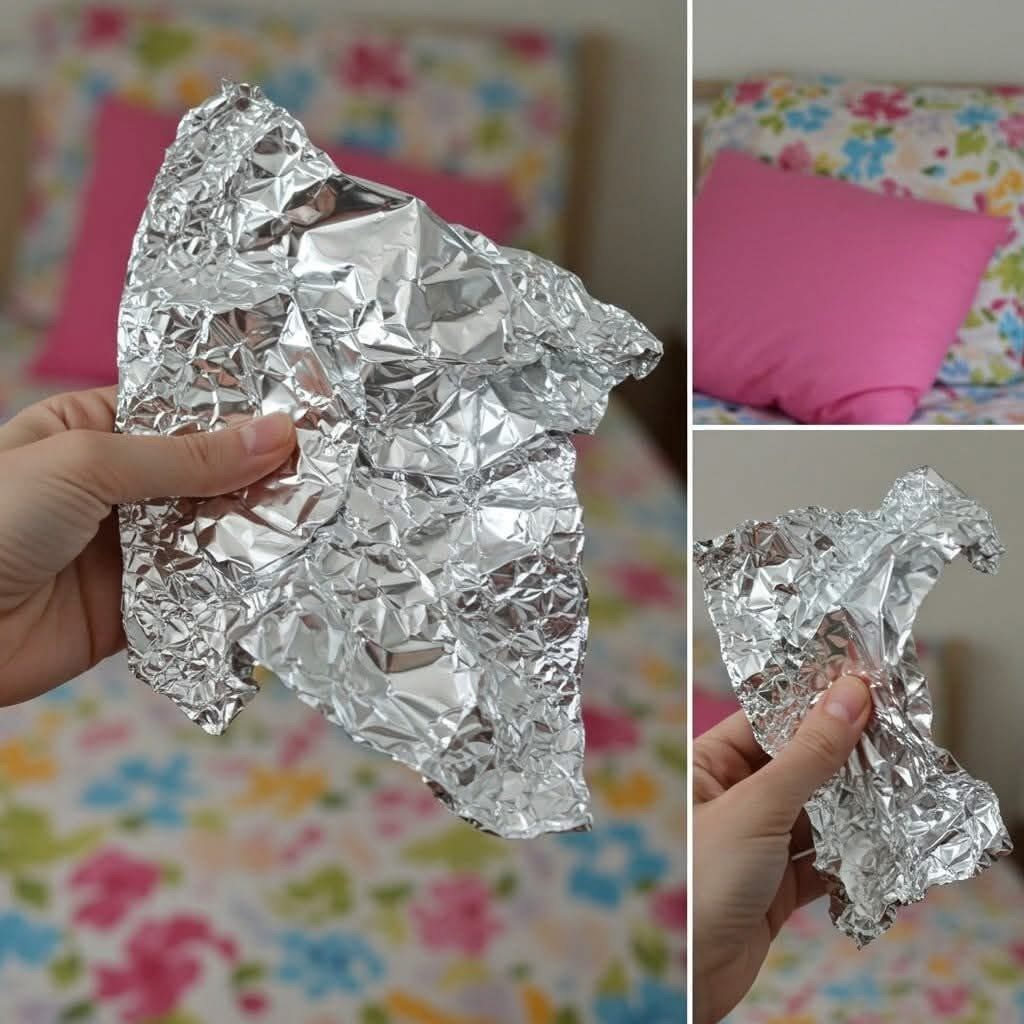
In the world of holistic health, some of the strangest techniques are often the most effective.Many of these techniques happen to be inexpensive, as is the case with one shared to me by a former Army engineer named Dave Setzer.
According to Setzer, aluminum foil has the strange ability to help cleanse electromagnetic fields (EMFs) from the body, including harmful ones from wi-fi and 5G radiation.
This is important in today’s day and age because we are often being bombarded by harmful radiation. Read more below
Millions Given to Obama Foundation Redirected to Soros-Linked Group

Newly disclosed records have sparked controversy over funding linked to the Obama Foundation and a donor-advised group tied to politically active organizations. The revelations have drawn attention from lawmakers and watchdog groups alike.
At the center of the debate is a reported $2 million that moved from the Obama Foundation through the Tides Foundation, a philanthropic intermediary known for supporting progressive causes. Critics argue the structure obscures accountability.
According to public filings, the funds were designated for initiatives addressing youth safety and community violence. However, some recipients allegedly had connections to activist networks accused of promoting anti-Israel rhetoric on college campuses.
Tides operates as a fiscal sponsor, allowing donors to support projects without direct public association. Supporters say this model empowers grassroots efforts that might otherwise lack funding or nonprofit status.
Opponents counter that this structure enables money to flow to controversial groups without sufficient transparency. They argue that donors remain insulated from the political and social consequences of funded activism.
The issue has gained urgency amid rising reports of antisemitic incidents and campus protests linked to the Israel–Hamas conflict. Critics question whether philanthropic oversight has kept pace with these developments.
Lawmakers are now examining whether existing disclosure rules adequately address donor responsibility and downstream impacts. Some are calling for stricter reporting requirements for donor-advised funds.
While no legal wrongdoing has been established, the controversy has intensified scrutiny of elite philanthropy. The debate now centers on whether moral accountability should extend beyond formal compliance.
The Anonymous Words That Spoke Louder

His talent didn’t go unnoticed. By the mid-1950s, producers recognized that this smooth-voiced, good-looking boy had the potential to become a teen idol. The combination of charisma, voice, and stage presence propelled Avalon to the top of the pop charts with hits like “Venus,” “Why,” anquiet of his Los Angeles home, surrounded by the golden glow of a life lived under the spotlight, FrankieAvalon leans back in a leather armchair. Framed photographs line the walls, capturing decades of laughter, music, and cinematic moments.Trophies, gleaming records, and memorabilia sit neatly on shelves, each a silent testament to a career that shaped the sound and spirit of post-war America. At 84, Avalon remains a living symbol of a generation that once electrified the world with optimism, charm, and boundless energy. READ MORE BELOW
Dianne Holechek, First Wife of Chuck Norris, Passes Away

Dianne Holechek passed away peacefully at the age of 84, remembered by her family as a devoted mother and a steady, grounding presence through many decades of change. While she largely lived outside the glare of public attention, her life intersected with a notable chapter of Hollywood history through her long marriage to Chuck Norris. In the days following her death, those closest to her reflected not on celebrity, but on her quiet strength, consistency, and deep commitment to family, qualities that defined her far more than any public association.
She met Chuck Norris as a teenager while attending high school in Torrance, California, and the two married young in the late 1950s. Together, they faced the realities of early adulthood, building a household and raising two sons, Mike and Eric. Those years were marked by ordinary challenges and financial uncertainty, long before Norris achieved recognition. Dianne chose to focus on creating stability at home, providing emotional support while her husband pursued a demanding and unpredictable career.
As Norris’s reputation grew through martial arts competitions and later film and television work, Dianne continued to live privately. She avoided the spotlight, preferring a life centered on family rather than public recognition. Their marriage lasted three decades before ending in divorce in the late 1980s, closing a long chapter that had shaped both of their lives during formative years.
In later reflections, Norris spoke candidly about their shared history, expressing both gratitude for her support and regret for challenges they faced. Despite the end of their marriage, the two maintained a respectful and cordial relationship, eventually developing a friendship grounded in their mutual love for their children. That enduring connection reflected a shared maturity and respect that extended beyond their time as a couple.
After Dianne’s passing, Norris shared a heartfelt tribute describing her as kind, intelligent, and deeply devoted to her sons. Other family members echoed these sentiments, sharing memories that highlighted her warmth, generosity, and steady presence during important moments. Her daughter-in-law recalled the compassion Dianne showed through simple, meaningful acts that left a lasting impression.
Though she spent much of her life away from public attention, Dianne Holechek leaves behind a legacy defined by love, resilience, and quiet influence. Her life serves as a reminder that true impact is often found not in fame, but in the strength of relationships and the care given to those closest to us.
8 Unexpected Yet Genius Ways To Use A Microwave (Beyond Just Reheating!)


Microwaves are often seen as one-trick ponies — great for reheating leftovers or popping popcorn, but not much else. But what if we told you that your microwave could do so much more?
From kitchen hacks to time-saving cleaning tricks , the microwave is an underestimated powerhouse in your home. In this article, we’ll show you 8 unexpected yet genius ways to use a microwave that will change how you think about this everyday appliance forever.
Kitchen supplies
Whether you’re looking to save time , boost efficiency , or just impress your friends , these clever tips will help you get the most out of your microwave.
 1. Ripen Fruit in Minutes
Ever buy a rock-hard avocado and wish it would ripen faster? Your microwave can help!How:
Pierce the skin of unripe bananas, avocados, or peaches with a fork or knife.
Place them on a microwave-safe plate.
Microwave on high for 30 seconds to 1 minute .
Let cool slightly before slicing open.
This trick doesn’t fully ripen the fruit, but it softens the flesh enough to make it easier to eat right away — perfect when you’re craving guacamole or banana bread now .

 2. Sanitize Sponges & Dishcloths
Sponges and dishcloths are breeding grounds for bacteria. Instead of tossing them out every week, give them a deep clean using your microwave.
How:
Wet the sponge thoroughly (important to avoid fire risk).
Place it on a microwave-safe plate.
Microwave on high for 1–2 minutes .
This kills up to 99% of bacteria , making your sponge safe to use again without contributing to waste.
 Tip: Only use this method on non-metallic sponges and never leave the microwave unattended
 3. Remove Tomato Skins Effortlessly
Peeling tomatoes for sauces or soups can be a pain — until now. The microwave makes it easy.How:
Cut a small “X” at the bottom of each tomato.
Place on a microwave-safe plate.
Microwave for 30 seconds to 1 minute .
Let cool slightly, then peel off the skin.
This method works especially well for smaller tomatoes like cherry or grape varieties.
Why Shoes Appear on Power Lines: The Strange Story Explained

The sight of shoes hanging from power lines is a common urban phenomenon that often puzzles onlookers. While it may seem random or mischievous, the practice has deeper cultural, social, and symbolic significance. Shoes on wires often reflect local customs, personal milestones, or creative expression, turning an everyday object into a striking visual statement in communities.
Historically, the origins of this practice are unclear. Some suggest that soldiers tossed boots to mark the end of their service, while others associate the act with gangs marking territory. Over time, urban myths and local legends layered additional meanings onto this simple act, making it a symbol with complex social and cultural connotations.
Shoes can represent rites of passage, memorials, or personal achievements. The act of throwing shoes onto power lines can signify moving on from a stage in life, commemorating a loss, or celebrating a milestone. In this sense, the shoes become symbolic artifacts within urban landscapes.
Modern interpretations expand the range of possible meanings. Teenagers may hang shoes as pranks or to celebrate graduations, while some artists use the wires as an unconventional canvas. Though some myths suggest gang activity or drug-related markers, most evidence remains anecdotal, and the motivations behind the practice vary widely across different neighborhoods.
Despite the intrigue, authorities warn of the dangers associated with shoes on power lines. The weight can damage electrical wires, cause outages, and pose serious hazards for utility workers. Municipalities often remove shoes quickly to ensure safety and prevent accidents, emphasizing that the visual curiosity comes with tangible risks.
Ultimately, shoes on power lines illustrate more than just quirky behavior. They reflect personal expression, community culture, and urban storytelling. Understanding this phenomenon encourages curiosity while highlighting the need for safety and respect for public property. It is a unique intersection of human creativity and social behavior in urban environments.
US state set to execute first woman in over 200 years – her horrific crime revealed

The state of Tennessee may soon carry out its first execution of a woman in more than two centuries after the Tennessee Supreme Court approved a request to move forward with the death sentence of Christa Gail Pike. Pike, now 49 and the only woman on Tennessee’s death row, was just 18 when she committed one of the state’s most infamous murders.
On January 12, 1995, Pike lured 19-year-old Colleen Slemmer into a wooded area near the University of Tennessee’s agricultural campus. Both were students in the Knoxville Job Corps program, but investigators later said Pike had become convinced that Slemmer was interested in her boyfriend, 17-year-old Tadaryl Shipp. Jealousy quickly escalated into a brutal, premeditated attack.
With the help of Shipp and another student, Shadolla Peterson, Pike slashed Slemmer’s throat with a box cutter, struck her with a meat cleaver, carved a pentagram onto her chest, and crushed her skull with a piece of asphalt. The crime stunned investigators and the public alike.
One of the most chilling revelations emerged when Pike showed detectives a fragment of Slemmer’s skull that she had kept as a trophy. Retired detective Randy York recalled that Pike was disturbingly cheerful during questioning and demonstrated how the skull fragment fit into the wound “like a puzzle.”
Pike was convicted of first-degree murder in 1996 and sentenced to death. Shipp received life without parole, while Peterson, who cooperated with investigators, received probation. Nearly a decade later, Pike earned an additional 25-year sentence after attempting to strangle another inmate in 2004.
After decades of appeals, the state formally requested an execution date, now set for September 30, 2026. Pike’s attorneys continue to argue that her age, trauma history, and mental health diagnoses — including bipolar disorder and PTSD — should weigh heavily against execution.
Her defense team describes her childhood as marked by severe abuse and neglect and says she has since shown remorse. If carried out, her execution would be Tennessee’s first of a woman since 1820, underscoring the rarity and complexity of the case.
I found a flash drive in a regular sausage: at first I thought the flash drive had accidentally ended up in the food until I checked its contents.

The narrator recounts a seemingly ordinary grocery trip that took a disturbing turn. They bought a pack of regular sausages, ate a few pieces, and stored the rest in the refrigerator overnight. Nothing seemed unusual at first. However, the next morning, while preparing breakfast, the knife struck something unexpectedly hard inside one of the sausages. Thinking it might be frozen, the narrator tried slicing again, only to feel the same resistance.
Upon closer inspection, they noticed something metallic glinting from within. Carefully cutting open the sausage, they discovered a USB flash drive embedded in the meat. Shock and disgust set in as they realized they had already eaten from the same package. The idea that a foreign object could be sealed inside store-bought food was unsettling and inexplicable.
Driven by both fear and curiosity, the narrator decided to examine the contents of the flash drive. When plugged into a computer, it contained a single folder titled “OPEN ME.” Inside was one image — a photograph of a man staring directly at the camera, laughing. The unsettling nature of the photo sent chills down the narrator’s spine
They considered several explanations — a manufacturing error, a prank, or something more sinister — but none made sense. The idea that someone had deliberately placed the device inside food raised more questions than answers.
Unable to shake the eerie feeling, the narrator debated whether to report the discovery to authorities or to throw away both the sausage and the flash drive altogether. The mixture of disgust, fear, and confusion lingered long after the event.
In the end, the experience left a lasting impression. What began as an everyday meal turned into a chilling mystery — one that forever changed how the narrator viewed something as simple and familiar as store-bought food.
What is attributed to Baba Vanga regarding prosperity according to popular interpretations

Some messages don’t appear by chance. They emerge when the mind is prepared—when something within us quietly recognizes that a turning point is near. In interpretations associated with Baba Vanga, the year 2026 is seen as more than a simple date on the calendar. It marks the end of a long energetic cycle, a threshold that opens the way for profound changes in financial fate for many.
Baba Vanga believed wealth was never a matter of luck. To her, abundance arose only when three forces came into harmony: the right cosmic moment, personal inner readiness, and the awareness to notice the signs before the opportunity passed. What gives her message its unsettling edge is the suggestion that those signs are no longer far off. They are already taking shape all around us.
The signs that are already unfolding
Although many assume everything begins in 2026, Baba Vanga reportedly warned that major transformations always announce themselves quietly first. She described several indicators that signal the process has already started.
One of them is the closing of a thirty six year cycle. According to her interpretations, global prosperity moves in long rhythmic waves. The cycle that began toward the end of the 1980s is now reaching its final stage. This is visible in everyday life. Economic systems that once felt unshakeable are losing stability. People are leaving careers that once promised lifelong security. Structures that offered certainty are weakening. This is not collapse for its own sake. It is the clearing of space before redistribution and renewal.