What Your Brain Says When You Drool in Your Sleep
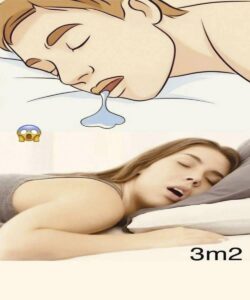
Waking up with a damp pillow and that slightly embarrassed “Did I drool again?” thought? Relax—you’re in good company. Drooling during sleep is incredibly common, and far from a sign of weirdness or poor hygiene. In fact, it’s often a signal that your brain and body are doing exactly what they should be doing.Let’s explore what’s really happening in your brain when you drool—and why it’s usually a sign of deep relaxation, healthy sleep, or even your body protecting itself.
😴 The Sleep-Drool Connection: It’s All About Muscle Relaxation
During deep sleep (especially REM sleep), your brain triggers a state called atonia—a temporary paralysis of most voluntary muscles. This prevents you from acting out your dreams (thankfully!).
But this relaxation also affects your jaw, tongue, and throat muscles. As they loosen:
- Your mouth may fall slightly open
- Swallowing reflexes slow down
Saliva that would normally be swallowed pools and escapesResult? Drool. And it’s a normal side effect of restful, restorative sleep.Result? Drool. And it’s a normal side effect of restful, restorative sleep.💡 Fun fact: Infants and toddlers drool more because their swallowing reflexes are still developing—and they spend more time in REM sleep!