Keith Thompson

Experts reveal dirty truth about underwear habits

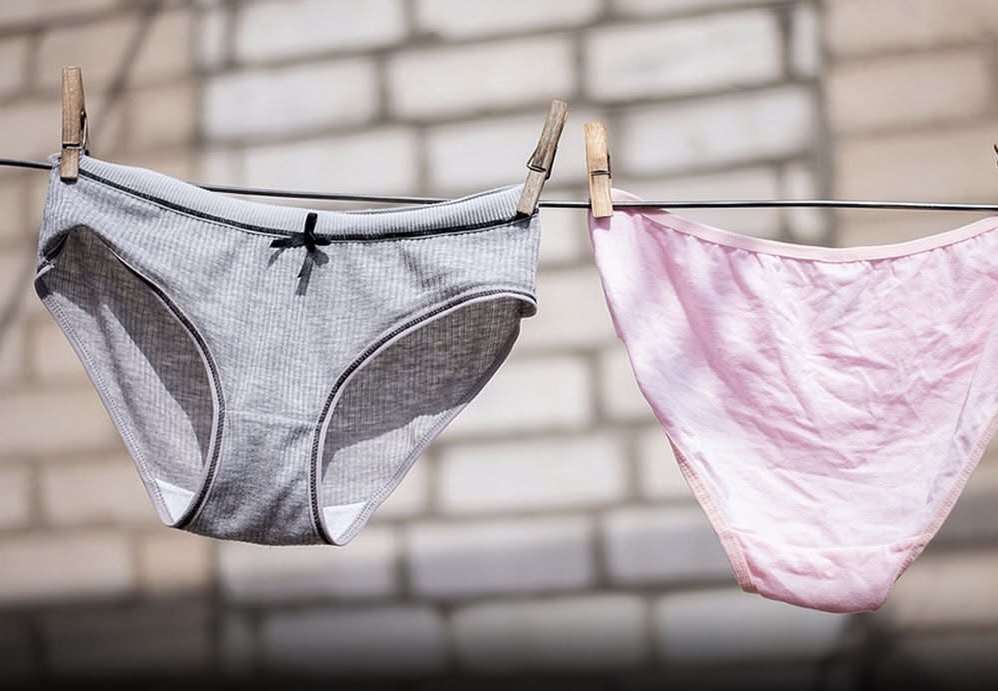
It might seem like a fundamental hygiene habit, yet many people quietly neglect changing their underwear every day. Health experts now caution that wearing the same pair for too long isn’t just unhygienic—what builds up can pose genuine health risks, making daily changes essential.

As disturbing as it may be, a 2021 study revealed that the average pair of underwear contains about 0.1 grams of fecal matter. With that in mind, wearing underwear for more than a day is not merely uncomfortable or unclean—it may have real health implications, according to medical professionals.

Dirty drawers

Despite well-established hygiene recommendations, a significant number of young adults aren’t changing their underwear daily. A 2023 Newsweek poll found that 36% of Gen Z respondents aged 18 to 24 said they wear the same pair for longer than 24 hours, while another 14% admitted this is a regular habit. In total, half of Gen Z reported going a full day or more without switching to clean underwear.

This practice isn’t confined to the youngest generation. The survey also showed that 24% of millennials, ages 25 to 34, said they routinely wear the same pair of underwear more than once.

In contrast, older adults reported significantly cleaner habits. Among people aged 55 to 64, 67% said they never wear underwear for more than one day, and only 3% admitted to repeating pairs.

Skin irritation or infection

According to doctors, this growing trend of stretching wear-time poses more than a cosmetic concern. Bacteria, yeast, and moisture build up in tight-fitting clothing, creating an ideal environment for skin irritation and potential infections – especially in areas with limited airflow.

“Men and women risk skin irritation, rashes, or the worsening of pre-existing conditions such as eczema or psoriasis when they re-wear underwear too often without washing it; this is due to friction and trapped moisture,” Sarah Roberts, a licensed skincare specialist, told the Daily Mail.

‘Harbor moisture and bacteria’

Roberts wa:rned that wearing underwear too long can cause infections like yeast overgrowth and bacterial vaginosis.

Yeast infections lead to itching, burning, and thick white discharge when candida fungus multiplies. Bacterial vaginosis, often mistaken for yeast, usually includes a fishy odor and gray or yellow discharge caused by bacterial imbalance.

The vulva contains folds and crevices that harbor moisture and bacteria more readily than male genitalia,” Dr. Archit Aggarwal, a dermatologist with ClinicSpots, told the publication.

Jock itch

It’s not only women who face hygiene-related health risks – men are just as vulnerable, especially when it comes to jock itch, a fungal skin infection marked by an itchy, red rash in the groin, buttocks, and upper thighs.

While some people assume looser garments like boxers offer more protection, experts w:arn that skipping daily changes still poses serious risks.

“Men’s boxers, though touching the skin less frequently than women’s underwear, do not escape these hazards – particularly when worn repeatedly without change,” Robert said.

Change at least once a day

Altough some may stretch a pair of briefs for a second day in a pinch, doctors strongly recommend changing underwear at least once every 24 hours to reduce the risk of skin irritation and infection. That advice becomes even more important in high-sweat situations.

“For those engaged in intense physical activities or who sweat heavily, it’s advisable to change underwear more frequently,” said Dr. Hannah Kopelman, a dermatologist at Kopelman Aesthetic in New Jersey. “In hot and humid climates, changing underwear even more than once a day might be necessary to maintain good hygiene.”

Dr. Aggarwal echoed that advice and emphasized the importance of paying attention to early war:ning signs. “If you experience any discomfort, itching, or unusual discharge, change your underwear immediately and consult a healthcare professional, if necessary,” he told the Daily Mail.

How often do you change your underwear? Please let us know your hygiene habits and them share this story so we can hear from others!


These are the signs that he is cr… See more

Oral Cancer: A Growing Public Health Concern in India

Oral cancer, one of the most common forms of head-and-neck cancer, is rapidly emerging as a major public health challenge in India. Recent health data indicate thatnearly 77,000 new cases are diagnosed each year, with more than 52,000 deaths annually, highlighting the severity of the issue and the urgent need for prevention and early intervention.

India accounts for a significant proportion of global oral cancer cases, making it one of the countries most affected by this largely preventable disease.

Who Is Most at Risk?

Oral cancer most commonly affects

men over the age of 40, although cases among younger individuals are increasingly being reported. While age is a factor, lifestyle choices and environmental exposure play a far greater role in disease development.People from lower socioeconomic backgrounds are often at higher risk due to increased exposure to risk factors and limited access to healthcare services.

Tobacco Use: The Leading Cause

The single biggest risk factor

for oral cancer in India is tobacco use. This includes both smoking (cigarettes, bidis) and smokeless tobacco productssuch as gutkha, khaini, and pan masala. 

Smokeless tobacco is widely available, inexpensive, and socially accepted in many regions, making regulation and prevention particularly challenging. Long-term use causes chronic irritation of the oral tissues, significantly increasing cancer risk.

Alcohol Consumption and Combined Risk

Alcohol is another major contributor to oral cancer. Heavy or regular alcohol consumption damages the lining of the mouth and throat, making it more vulnerable to cancer-causing agents.

When alcohol and tobacco are used together, the risk does not merely add up—it multiplies. Years of combined use dramatically increase the likelihood of developing oral cancer.


Betel Nut Chewing and Cultural Practices

Betel nut (areca nut) chewing, often wrapped in betel leaf and sometimes mixed with tobacco, is a long-standing cultural practice in many parts of India. Despite its traditional roots, betel nut contains

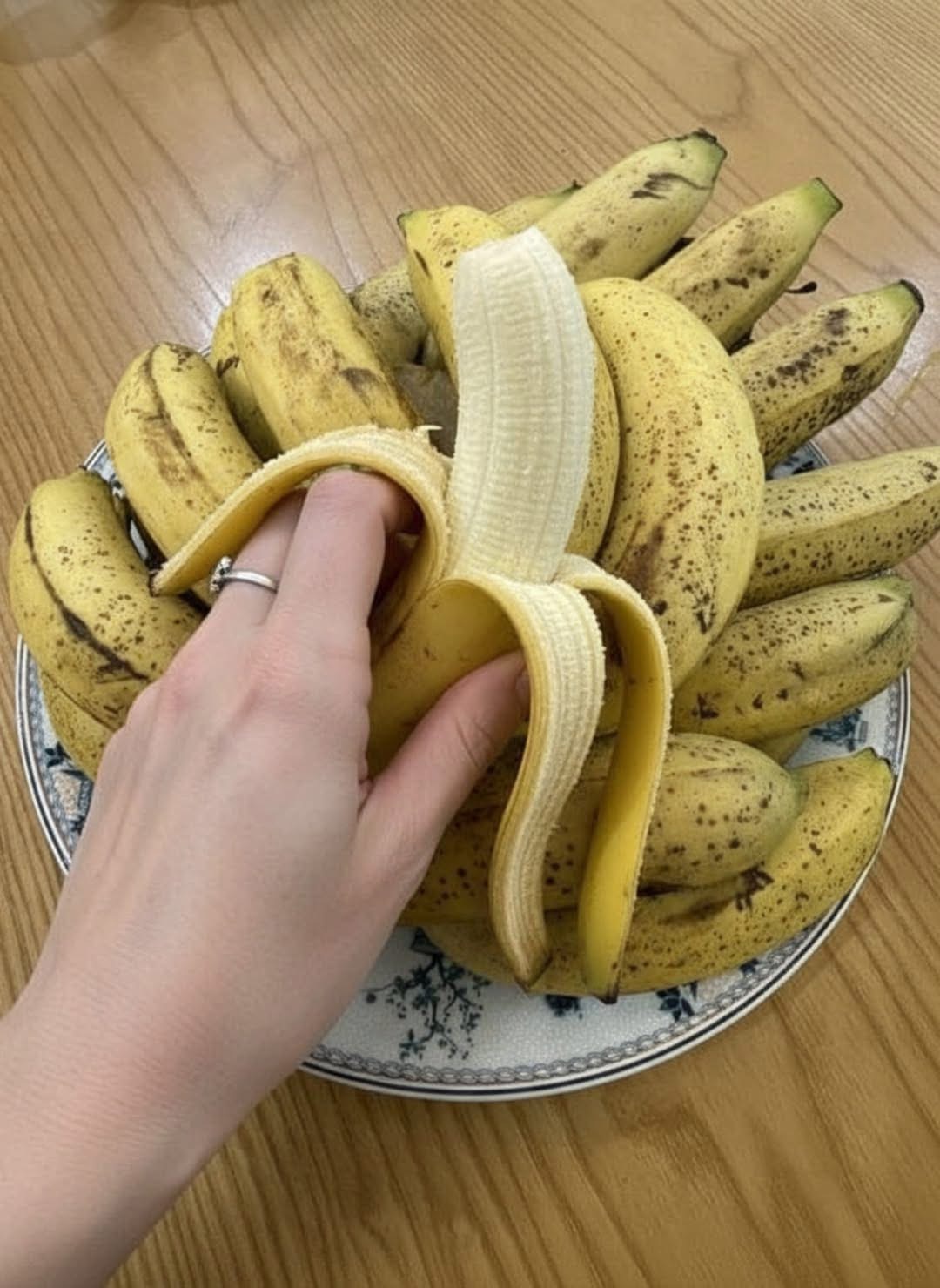
SOTD – Is a Banana a Good Breakfast Choice? Here is What Experts Suggest

The humble banana is perhaps the most iconic breakfast staple in the modern world. It is the ultimate “fast food”—pre-packaged by nature, perfectly portable, and naturally sweet. For the commuter rushing to catch a train or the parent navigating a chaotic school run, the banana is a reliable ally. However, as our understanding of chrononutrition and blood sugar regulation deepens, nutritionists are beginning to look more closely at the consequences of the “solo banana” breakfast. While this yellow fruit is packed with vital nutrients, eating one on an empty stomach might not be the nutritional gold standard we once assumed.

To understand why a banana’s role in breakfast is so nuanced, we must first look at its internal chemistry. A medium banana is a powerhouse of potassium, magnesium, Vitamin B6, and fiber. Potassium is essential for maintaining a healthy heart and regulating blood pressure, while magnesium supports muscle relaxation and nerve function. However, bananas are also relatively high in natural sugars—specifically fructose, glucose, and sucrose—and starch. When consumed first thing in the morning, these sugars enter a digestive system that has been fasting for eight to ten hours.One of the most immediate effects of a morning banana is a rapid surge in energy. This is often seen as a benefit, especially for those heading straight to a workout. The carbohydrates are converted into glucose quickly, fueling the brain and muscles. However, because a banana contains very little protein and almost no healthy fats, this energy is “unprotected.” Without these slower-digesting macronutrients to act as a buffer, the body processes the banana’s sugar rapidly, leading to a sharp spike in blood glucose followed by an inevitable insulin response. For many, this results in a mid-morning “crash”—that familiar wave of fatigue and irritability that leaves you reaching for a second cup of coffee or a sugary snack long before lunchtime.

Furthermore, the high magnesium content of bananas, while generally a health benefit, can be a double-edged sword when consumed in isolation on an empty stomach. Magnesium is known for its calming properties, which is why some people find a morning banana oddly relaxing. However, some researchers suggest that a sudden, concentrated influx of magnesium without the presence of other foods can interfere with the delicate calcium-magnesium balance in the blood, potentially affecting cardiovascular rhythm in highly sensitive individuals. While this is rarely a concern for a healthy person, it highlights the importance of dietary “layering”—the practice of eating different food groups together to ensure the body absorbs nutrients at a manageable pace.

Digestive sensitivity is another factor to consider. Bananas are often recommended for the “BRAT” diet (Bananas, Rice, Applesauce, Toast) because they are gentle on the stomach. Yet, for some, the high amount of pectin and fermentable fiber in a banana can stimulate the digestive tract a bit too aggressively when it’s the only thing present. This can lead to a feeling of acidity or mild bloating. The fruit’s natural sweetness, while refreshing, can also create an acidic environment in the stomach if not balanced by alkaline or neutral foods.

The secret to a truly effective “banana breakfast” lies in the art of the pairing. Think of the banana not as the entire meal, but as a high-quality fuel additive. By combining the fruit with a source of healthy fat and protein, you fundamentally change the way your body metabolizes it. When you slice a banana into a bowl of Greek yogurt, the protein in the yogurt slows down the absorption of the fruit’s sugars. If you spread almond butter on a banana or sprinkle it with chia seeds, the healthy fats provide a sustained release of energy, keeping your insulin levels stable and your satiety high.

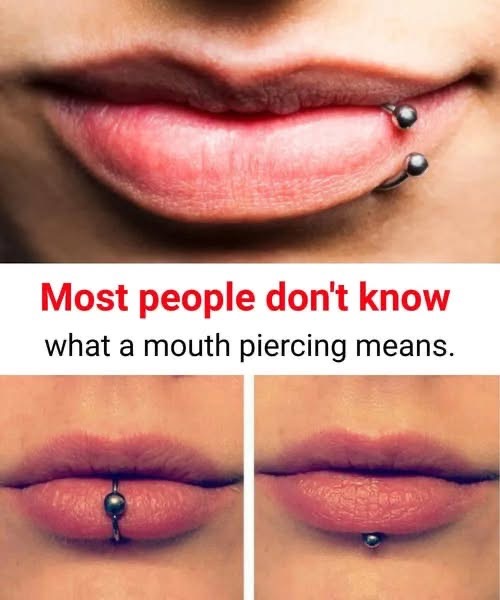
Most People Don’t Realize What a Mouth Piercing Reveals About Someone

Mouth piercings—whether on the lip, tongue, or cheek—are more than just bold fashion statements. While they certainly grab attention and spark curiosity, they also reflect deeper aspects of a person’s personality and emotional makeup. People who choose these piercings often exude confidence, independence, and a strong sense of self. They embrace being different and aren’t afraid to stand out.

Often linked to creativity, mouth piercings are a form of self-expression, much like tattoos or alternative fashion. Those who wear them tend to have artistic leanings and a unique personal style. Their piercings serve as visual statements of individuality, offering a silent but powerful way to communicate their inner world.

There’s also a sensual aspect to mouth piercings, which naturally draw attention to the lips and tongue—symbols of intimacy and connection. People who opt for these piercings are usually confident in their physicality and body awareness. Rather than seeking to provoke, they’re simply comfortable with their presence and open to embracing their sensual side.

Choosing to pierce such a sensitive area also speaks to emotional resilience. The pain, healing process, and potential social scrutiny require mental toughness. Those with mouth piercings often have a strong tolerance for discomfort and are unshaken by judgment, showing strength and maturity behind the bold choice.

Ultimately, mouth piercings can be a sign of rebellion—but one that’s thoughtful and intentional. Far from being reckless, this choice reflects self-assurance and a commitment to authenticity. In essence, a mouth piercing is a small but powerful symbol of fearlessness, individuality, and self-expression.

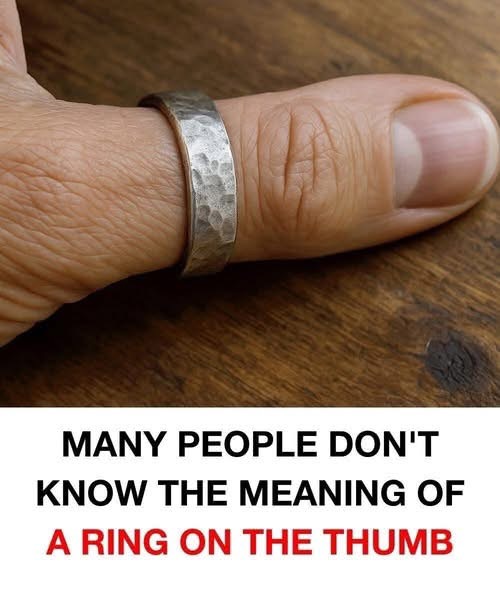
The hidden meaning of thumb rings: what they represent for women vs. men

Many people see rings as simple accessories to enhance an outfit or add elegance, but for others, they carry symbolic meaning—especially when worn on the thumb.

The thumb, standing apart from the other fingers, is often viewed as a symbol of independence and empowerment. A ring on this finger can represent strength, freedom, and individuality.

For women, thumb rings are commonly associated with boldness and nonconformity. They signal independence and a willingness to challenge traditional expectations.

In the 1990s and early 2000s, a thumb ring—particularly on the right hand—was sometimes linked to feminist ideals or LGBTQ+ identity, making it a subtle but powerful statement.

Fashion also plays a role. Because thumb rings are eye-catching and distinctive, many women wear them to express creativity, boost confidence, or simply add a striking detail to their style.

For men, the symbolism is rooted in history. In ancient Rome, thumb rings represented wealth and influence, while in Asia they were often made of jade, gold, or ivory to signify power and masculinity.

Today, men often wear thumb rings as an expression of individuality and rebellion. They highlight uniqueness and creativity, setting the wearer apart from the crowd.

In some cases, a thumb ring on the left hand can also suggest sexual confidence, symbolizing comfort in one’s own skin and openness in relationships. Whether intentional or not, it can add a sense of mystery and charm.

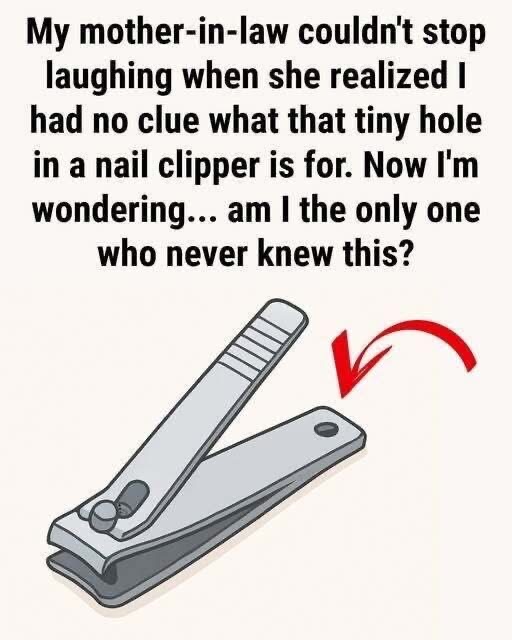
The Purpose Of The Tiny Round Hole On Your Nail Clipper

A nail clipper seems like the definition of an ordinary object—simple, predictable, and hardly worthy of a second glance. But look closer. That little round hole on the handle, the one most of us ignore? It turns out that tiny detail is no accident. It carries a purpose that’s been quietly serving users for generations.

Once you learn its function, you’ll never see your clipper the same way again.

The Overlooked Feature With a Clever Function

The small circular opening near the end of a nail clipper isn’t just part of the metal mold or decorative hardware. It’s a built-in utility feature—designed to make the tool more portable, accessible, and practical.

A Built-In Attachment Point

The hole acts as a convenient anchor for a key ring, chain, or lanyard. This means:

You can clip it to your keys

Hang it inside a cabinet

Keep it on a hook near the sink

Or attach it to a travel kit

No more digging through drawers, toiletry bags, or cluttered shelves when you need to tidy up your nails.

Turning the Hole Into a Useful Hack

Using this design detail takes only a few seconds:

Choose a small key ring or split ring.

Slide it gently through the clipper’s hole.

Attach it wherever you want—keys, bag, bathroom hook, anything.

Just like that, a simple grooming tool becomes a reliable everyday carry item.

Unexpected Ways to Use the Hole

That little circle is more versatile than it looks. Beyond keychains, you can use it to:

Hang your clippers for easy access

Improve grip by hooking a finger through it when clipping stubborn nails

Store multiple clippers together so you never mix up your fingernail and toenail sets

It’s a tiny feature, but one that opens up surprising convenience.

A Design Element Rooted in History

Nail clippers date back to the late 1800s, and early versions already included this helpful hole. Before modern bathrooms and organized storage were common, people often carried grooming tools on their person—much like pocket knives or small combs. The hole made it easy to attach and transport, and the idea stuck.

Even as clippers evolved to include files, built-in openers, or multipurpose attachments, the simple round hole endured because it worked.

Why Small Details Matter

We often overlook how much thought goes into everyday tools. But the tiny hole on a nail clipper is a perfect example of smart, practical design hiding in plain sight. It helps keep your clipper accessible, organized, and easier to use—proof that sometimes the smallest features make the biggest difference.

Final Thought

The nail clipper may be humble, but it’s also a great reminder: even ordinary objects contain clever ideas. The next time you trim your nails, take a moment to appreciate how that small, easy-to-miss hole has been quietly improving practicality for decades.

I Slept at my friends old apartment for a couple days noticed these weird bump…

The first bump didn’t scare me. The pattern did. By the second night in my friend’s old apartment, my skin felt like a map of something gone wrong. Tiny, angry clusters appeared where my body touched the mattress, each itch a quiet alarm I tried to ignore. I hadn’t changed my soap, my food, my routine—only my surroundings. That’s when the unease started to grow. Old walls, old carpets, old furniture… and suddenly, my own body was reacting like it had discovered a secret I couldn’t see. Some bumps faded, others throbbed longer, pulsing with irritation every time I scratched. I lay awake wondering: was it bugs, mold, chemicals—or something worse hiding in the dark? My skin knew before I did, and by the time I finally listened, the message was impossible to mis… Continues…


Those days taught me that unfamiliar spaces can leave marks long after you’ve gone. Old apartments often carry invisible histories: bed bugs tucked in mattress seams, fleas in worn carpets, dust mites in pillows, mold spores in the walls, or chemical residues soaked into fabric. You don’t see them—but your skin does, especially at night, when you’re still and unprotected.

I learned to pay attention instead of brushing it off. To check mattresses and headboards, look for dark specks or tiny shells, wash every piece of clothing the moment I got home, and shower as if I were rinsing off the place itself. The bumps eventually faded, but the lesson didn’t. When your skin starts speaking in welts, lines, and clusters, it isn’t just irritation. It’s a warning that the room around you may not be as harmless as it looks.

Father needed support during the wake…

The pain of losing an entire family caused commotion among the population of Sidrolândia, located in the interior of the state of Mato Grosso do Sul, whererelatives, friends and residents paid their last respects to Drielle Leite Lopes and her three children, Helena, 10 years old, João Lúcio, 2, and José Augusto, just 3 months old.A mother and three children were victims of a tragic accident that occurred on the BR-060. The scene at the wake, held at the city’s City Council, was marked by emotion, revolt and a deep state of shock among the family members.The tragedy, which took the lives of four people from the same family, happened on Sunday night, between Sidrolândia and Campo Grande. The family had gone to visit Drielle’s mother to share the happy news of buying their own home, which they had made the previous week

Born in the Rubble, King of the Monsters: The Fierce, Unforgettable Life of Udo Kier

He was almost erased before he took his first breath. Born during wartime chaos, pulled from rubble as bombs fell, Udo Kier entered the world surrounded by destruction. Survival itself became his first act of defiance, setting the tone for a life shaped by resilience and intensity.

His early years were marked by absence and hardship. Hunger, instability, and loss followed him, yet they also sharpened his awareness. Even as a child, he carried himself with a strange certainty, as if he understood that endurance would one day become his strength.

A chance moment in a London café changed everything. When opportunity appeared, he stepped forward without hesitation. That single decision launched a career defined not by safety, but by risk — by choosing roles others feared or avoided.

On screen, Kier became unforgettable. He transformed cruelty into something human, even fragile. His characters unsettled audiences not through excess, but through honesty. He made monsters recognizable and pain intimate, forcing viewers to confront parts of themselves they might rather ignore.

What set him apart was fearlessness. He aligned himself with outsiders, misfits, and those living beyond society’s comfort zones. He never softened the edges of these stories, believing truth mattered more than approval.

Off screen, he found stillness later in life, settling into a quieter rhythm while remaining creatively defiant. His presence softened, but his spirit did not fade. He remained alert, observant, and unafraid to be seen exactly as he was.

Though his body is gone, his work endures. Each performance still pulses with intensity, refusing to fade into the background. His gaze lingers, challenging and alive.

Udo Kier leaves behind more than films. He leaves a reminder that survival can become art, and that being truly seen often begins with the courage to look back.

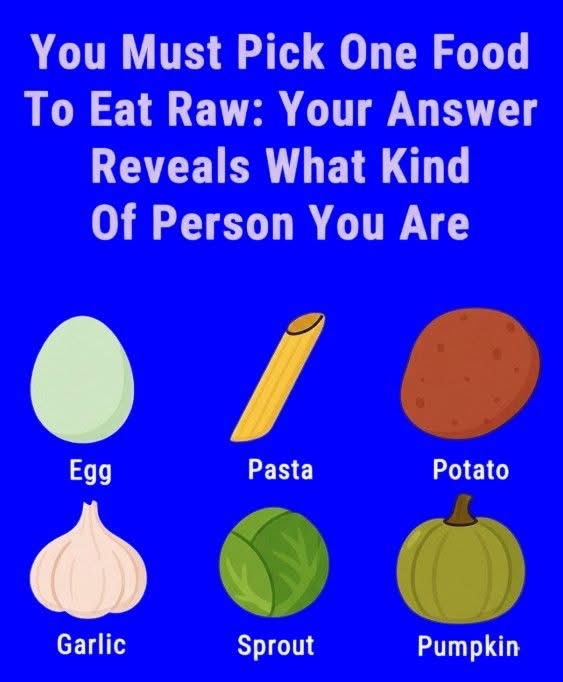
You Must Pick One Food to Eat Raw — And What You Choose Says a Lot About You

You Must Pick One Food to Eat Raw — And What You Choose Says a Lot About You

It’s the kind of question that lights up social media feeds: If you had to eat one food completely raw, which would you choose? At first glance it feels like a silly hypothetical, but fans of personality quizzes insist your answer reveals something deeper about how you think, adapt, and face discomfort.

Here’s a playful look at what each choice might say about you.

🥚 Egg: The Risk-Taker

Choosing a raw egg suggests you’re bold, decisive, and not overly bothered by convention. You’re willing to accept risk if it means getting straight to the point. You may also believe rules are more like guidelines — especially when you’re confident you can handle the consequences.

Pasta: The Optimist

Raw pasta is technically edible, just wildly unpleasant. If you choose it, you’re likely an optimist who believes things will “work themselves out.” You tend to power through discomfort with determination and humor, trusting that patience (and strong teeth) will get you there.

🥔 Potato: The Pragmatist

A raw potato isn’t glamorous, but it’s solid and filling. This choice points to someone practical, grounded, and focused on survival rather than enjoyment. You value reliability over excitement and tend to make decisions based on what works, not what looks appealing.

🧄 Garlic: The Intense Individual

If raw garlic is your pick, you’re fearless — or at least very committed. This choice suggests intensity, strong opinions, and a personality that doesn’t shy away from extremes. You may not worry much about what others think, and you’re comfortable standing out.

🥬 Sprout: The Health-Conscious Realist

Raw sprouts are already meant to be eaten uncooked, making this the most logical option. If you choose sprouts, you’re strategic, health-minded, and inclined to find the smartest workaround. You’re the person who reads instructions and finds the loophole.

🎃 Pumpkin: The Creative Thinker

Raw pumpkin isn’t common, but it’s possible — and unexpected. This choice suggests creativity and curiosity. You’re open to unconventional solutions and enjoy exploring options others overlook. You might not always choose the easiest path, but you value originality.

Why These Quizzes Stick Around

Personality challenges like this endure because they’re low-stakes, relatable, and just insightful enough to spark conversation. Whether or not they reveal anything true, they give us a fun way to reflect on how we approach discomfort, choice, and compromise.

So — what would you eat raw?
Your answer may not define you… but it probably says more than you think. 😉