A recent late-night television segment revisited the public dispute between Jimmy Kimmel and Donald Trump Jr., focusing on earlier reports concerning social media exchanges involving WikiLeaks during the 2016 presidential campaign. The segment framed the controversy as part of a broader discussion about media scrutiny, political image, and public accountability.
According to the presentation, Kimmel revisited publicly reported direct messages between Donald Trump Jr. and WikiLeaks, highlighting moments that had previously drawn national media attention. The monologue reportedly focused less on new allegations and more on how earlier public information continued resurfacing years later in political commentary.
Audience reactions during the segment reportedly alternated between laughter and visible discomfort. Several observers later noted that the monologue relied heavily on reenactments and repetition of documented exchanges rather than purely fictional satire.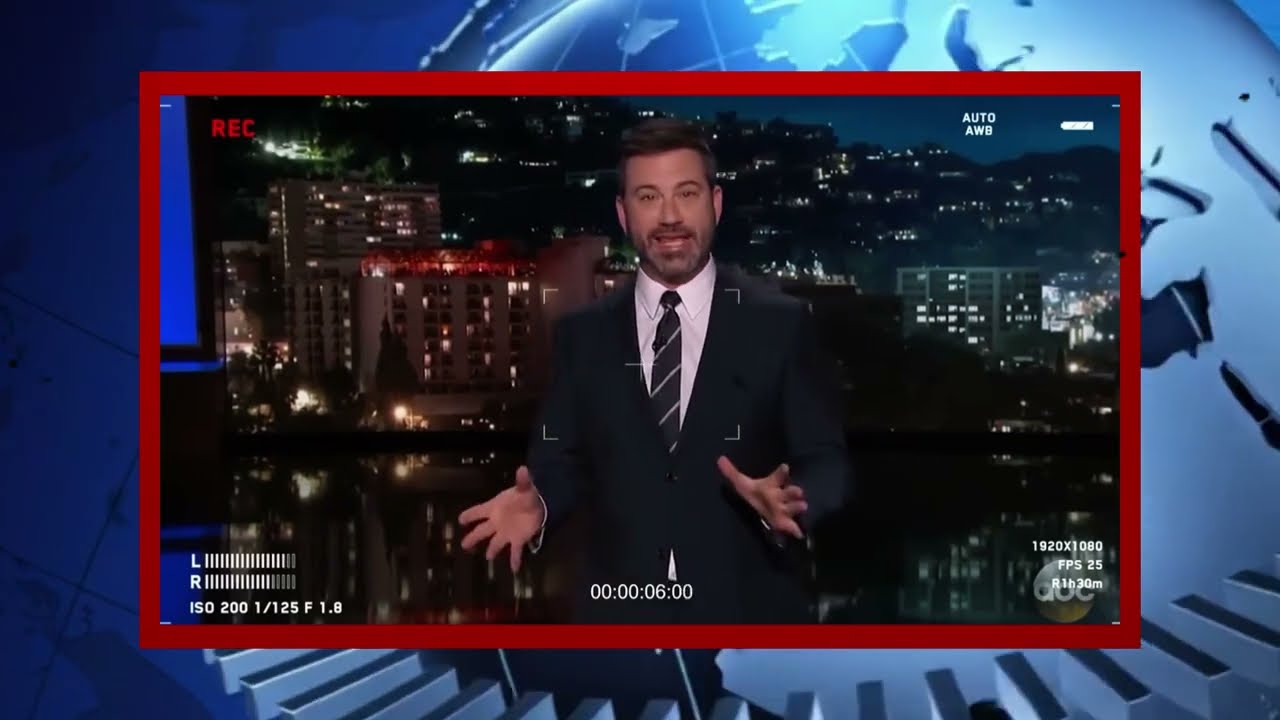
The segment referenced a reported cease-and-desist letter allegedly sent by Donald Trump Jr. in response to Kimmel’s recurring commentary. According to the monologue, the dispute centered on Kimmel repeatedly revisiting already public material rather than introducing previously unknown information.
One of the most discussed portions of the segment involved Kimmel revisiting the phrase “off the record” reportedly used in communication with WikiLeaks. The monologue portrayed the wording as ironic given the organization’s public identity and history of publishing leaked materials.
Media analysts later suggested that the effectiveness of the segment depended largely on contrast. By presenting political communication in a comedic setting, the monologue encouraged audiences to reconsider how language and tone shape public interpretation of serious events.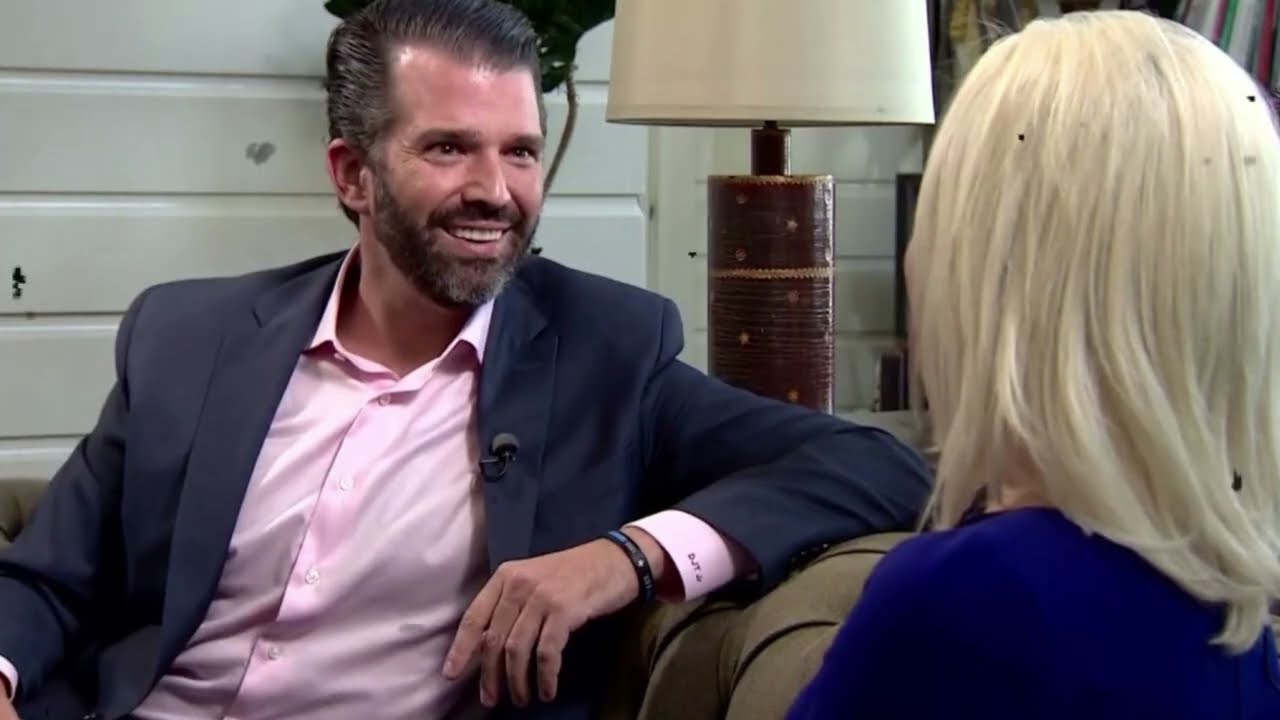
The segment also included satirical reenactments involving fictionalized conversations with WikiLeaks representatives. According to commentators, these scenes were designed to exaggerate the awkwardness and public perception surrounding the reported exchanges rather than introduce factual claims beyond the documented messages.
Observers noted that Kimmel’s presentation style shifted repeatedly between humor and archival reference material. That mixture has become increasingly common in late-night television, where hosts frequently combine comedy with historical clips, public records, and past media coverage.
The monologue later moved beyond the WikiLeaks discussion and revisited Donald Trump Jr.’s testimony in a civil fraud case connected to the Trump Organization. Kimmel reportedly contrasted the seriousness of the legal proceedings with unrelated public appearances occurring at the same time.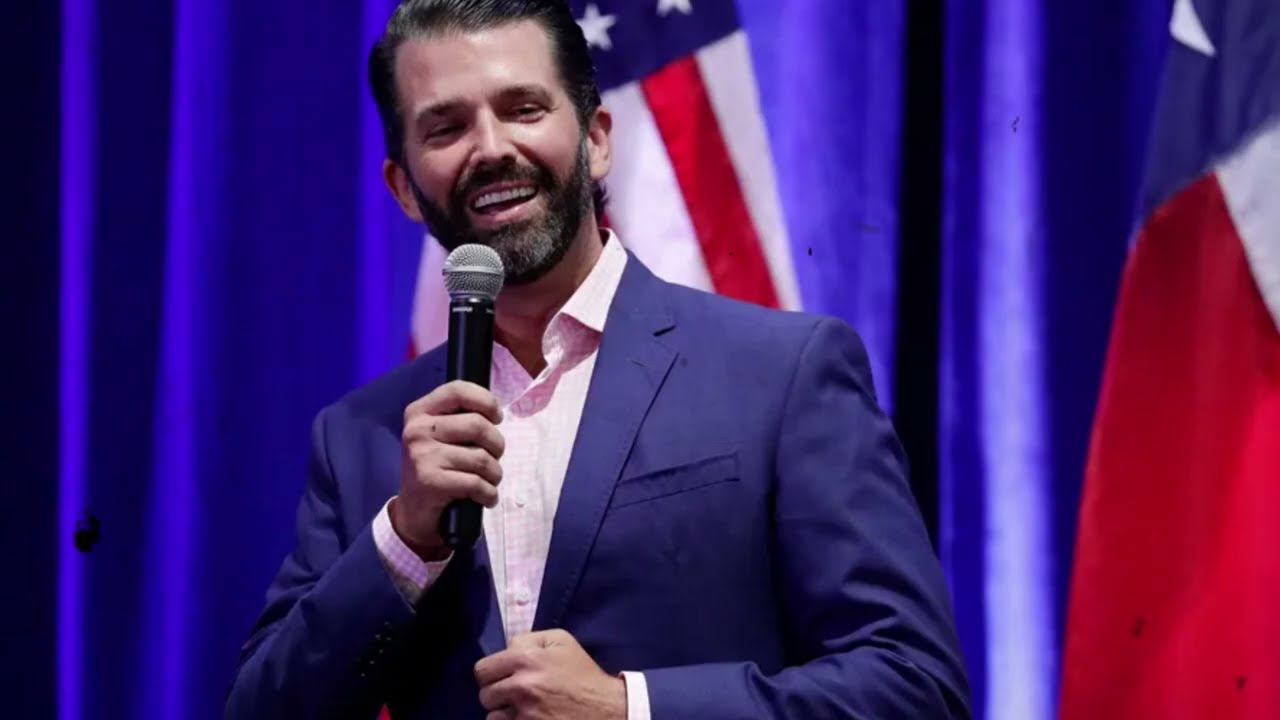
Audience reactions reportedly became quieter during sections involving courtroom testimony and legal proceedings. Rather than responding primarily to jokes, viewers appeared increasingly focused on the broader political implications surrounding the cases being discussed.
Several media commentators observed that the segment repeatedly returned to themes of image management and public perception within political families. The monologue portrayed media appearances, legal disputes, and campaign controversies as interconnected elements of a larger political narrative.
The broadcast also revisited public criticism directed at Donald Trump Jr.’s communication style and political role. Kimmel framed those observations through satire, though critics argued such portrayals reflected broader partisan entertainment rather than balanced political analysis.
Political communication experts have increasingly noted that modern late-night television functions as more than entertainment for many viewers. Segments built around archival clips and public records often become part of wider national political conversations after circulating online.
The monologue further referenced comments made by Donald Trump concerning ongoing investigations and political opponents. According to the segment, Kimmel responded by emphasizing the contrast between public messaging and the legal pressures facing multiple figures connected to the Trump family.
Several observers later noted that the broadcast relied heavily on accumulation rather than one defining joke. By revisiting multiple controversies sequentially, the segment created a broader portrait of recurring political and media conflicts surrounding the Trump family.
The presentation also highlighted how archived television clips, social media posts, and public testimony increasingly shape modern political memory. Statements originally delivered in isolated contexts can later return and gain new relevance through digital circulation.
As the segment progressed, Kimmel reportedly expanded the discussion to include remarks made by Trump at campaign-style appearances, including controversial rhetorical references that had already generated public debate online.
Media scholars often describe such broadcasts as examples of hybrid political storytelling, where satire, commentary, and factual documentation become intertwined. The Kimmel segment appeared to follow that model closely, balancing jokes with repeated references to public records and prior reporting.
Following the broadcast, clips circulated widely across social media platforms, generating sharply divided reactions. Supporters described the segment as accountability through humor and archival evidence, while critics viewed it as partisan entertainment designed to reinforce existing political narratives.
By the conclusion of the monologue, the focus had expanded beyond one lawsuit or one late-night joke. Instead, the segment became a broader reflection on political branding, media repetition, and the enduring impact of public statements preserved in the digital age.